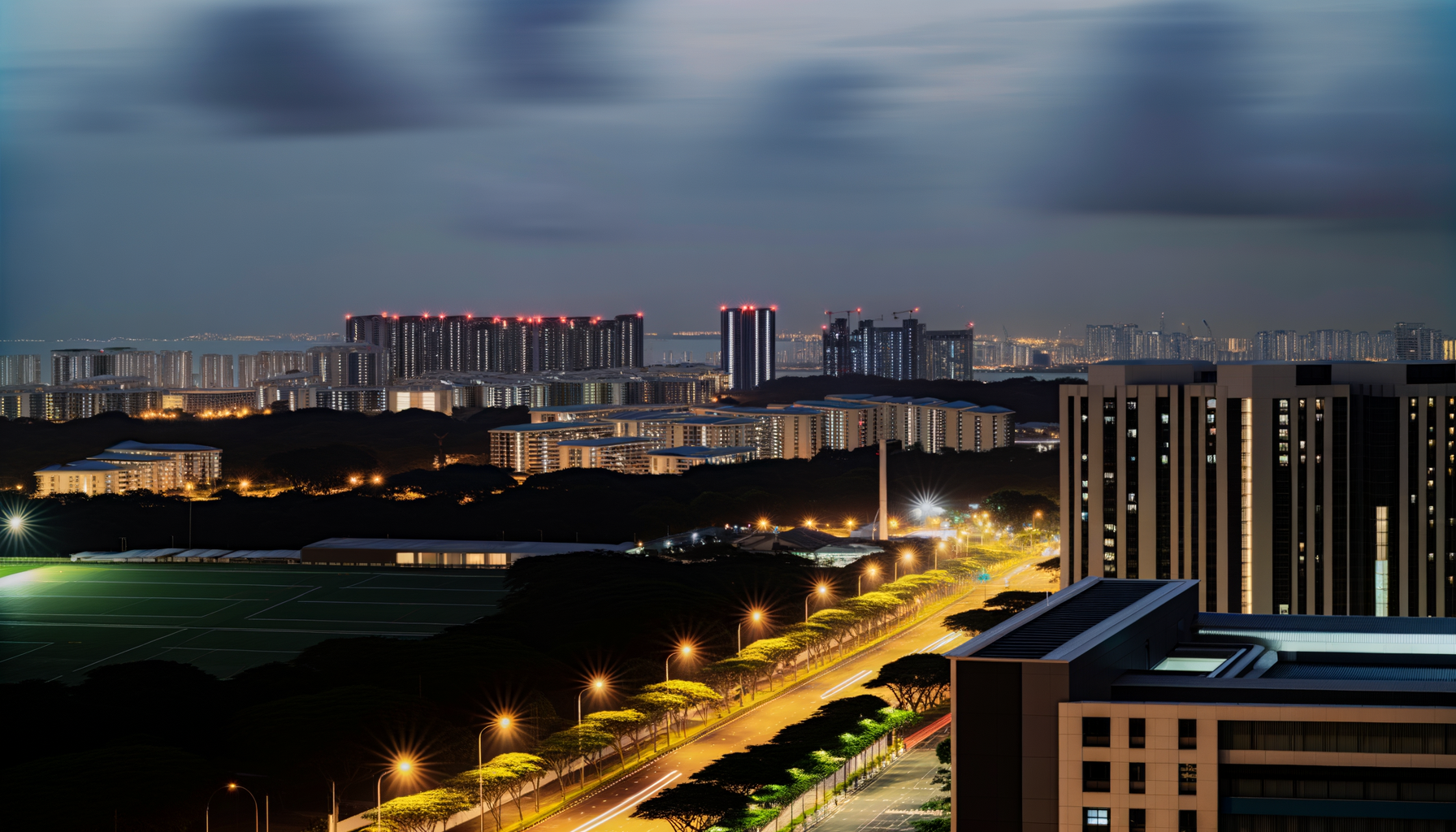
As the world’s population continues to urbanize, the need for sustainable urban development has become a pressing concern. You are likely aware that traditional urban planning approaches often prioritize short-term gains over long-term sustainability, resulting in environmental degradation, social inequality, and economic instability. However, by adopting key principles of sustainable urban development, cities can mitigate these negative impacts and create thriving, resilient communities. This article will explore the fundamental principles and strategies that underpin sustainable urban development, providing you with a comprehensive understanding of this critical field.
What is Sustainable Urban Development?
Sustainable urban development refers to the practice of designing and managing cities to minimize their environmental footprint, promote social equity, and foster economic vitality. This approach recognizes the interconnectedness of urban systems and seeks to balance competing demands, such as housing, transportation, and economic growth, with the need to protect natural resources and ensure human well-being. By integrating principles of sustainability into urban planning, cities can reduce their ecological impact, enhance the quality of life for residents, and create a more prosperous and resilient future. Sustainable urban development is a holistic approach that considers the social, economic, and environmental dimensions of urbanization.
What you will discover
- Compact and connected urban form — a design approach that prioritizes walkability, cycling, and public transportation, reducing the need for personal vehicles and promoting more efficient use of land and resources
- Green infrastructure and urban ecology — the integration of natural systems and green spaces into urban design, providing numerous environmental and social benefits, including air and water quality improvement, climate regulation, and habitat creation
- Energy-efficient and climate-resilient buildings — the use of sustainable materials, renewable energy systems, and climate-resilient design principles to minimize the environmental impact of buildings and promote occupant health and comfort
- Inclusive and participatory planning processes — a collaborative approach to urban planning that engages diverse stakeholders, including residents, businesses, and community groups, to ensure that urban development reflects the needs and values of all members of society
- Innovative and sustainable transportation systems — the development of efficient, low-carbon transportation networks that prioritize public transportation, walking, and cycling, reducing dependence on personal vehicles and promoting more sustainable urban mobility
- Resilient and adaptive urban planning — a flexible and responsive approach to urban planning that anticipates and adapts to changing environmental, social, and economic conditions, ensuring that cities remain resilient and thrive in the face of uncertainty and change
Quick comparison
| Criterion | Traditional Urban Development | Sustainable Urban Development | Regenerative Urban Development |
|---|---|---|---|
| Environmental impact | High | Medium | Low |
| Social equity | Low | Medium | High |
| Economic vitality | High | Medium | High |
| Resilience and adaptability | Low | Medium | High |
For a more detailed guide to sustainable urban development, please refer to our comprehensive guide. Additionally, you can visit the United Nations Sustainable Development website for more information on sustainable urban development and its role in achieving the Sustainable Development Goals.
Complete guide to Sustainable Urban Development Design
As the world’s population continues to urbanize, the need for sustainable urban development has become a pressing issue. You can play a crucial role in shaping the future of our cities by understanding the key principles of sustainable urban design. In this section, we will delve into the major aspects of sustainable urban development, providing you with a comprehensive guide to creating thriving, eco-friendly cities.
Urban Planning and Design
Integrating Green Spaces
One of the most important aspects of sustainable urban development is the integration of green spaces into city design. You can incorporate parks, gardens, and green roofs to reduce urban heat island effects, manage stormwater runoff, and improve air quality. By doing so, you can create a healthier environment for urban residents and mitigate the negative impacts of urbanization.
Walkable and Bikeable Cities
Designing cities that prioritize pedestrian and cyclist infrastructure is essential for reducing reliance on fossil fuels and promoting a more sustainable transportation system. You can achieve this by creating dedicated bike lanes, pedestrianized streets, and public transportation systems that are efficient and accessible.
Energy Efficiency and Renewable Energy
Building Design and Materials
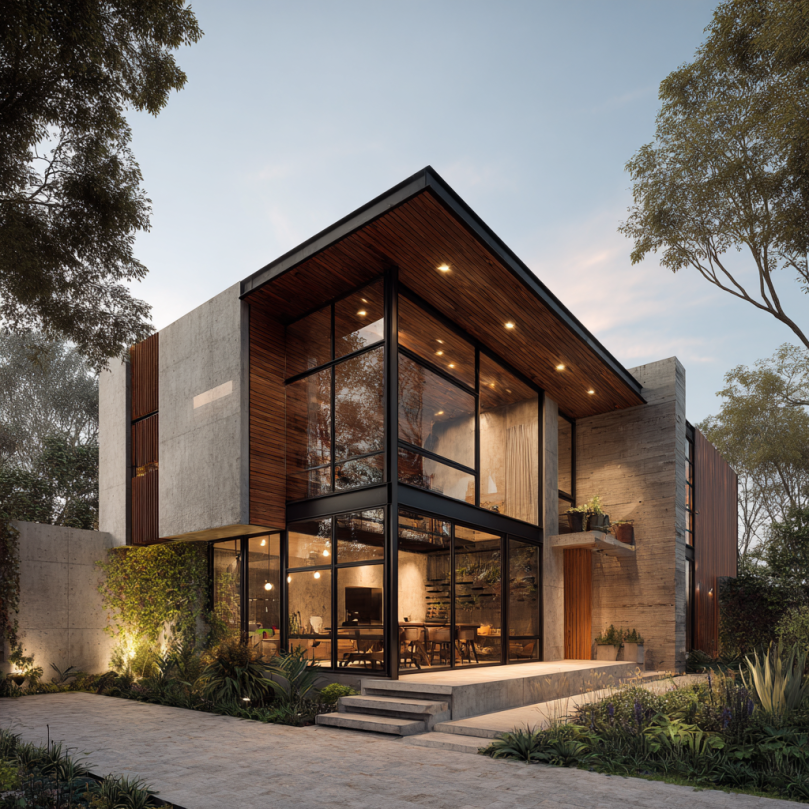
Building design and materials play a significant role in reducing energy consumption and promoting sustainability. You can use sustainable materials, such as recycled materials, low-carbon concrete, and energy-efficient glazing, to minimize the environmental impact of buildings. Additionally, incorporating renewable energy systems, such as solar and wind power, can help reduce reliance on fossil fuels.
Water Management and Conservation
Effective water management and conservation are critical components of sustainable urban development. You can implement rainwater harvesting systems, greywater reuse, and efficient irrigation systems to reduce water waste and promote water conservation.
Practical steps to follow
- Step 1: Conduct a thorough analysis of the city’s existing infrastructure and identify areas for improvement
- Step 2: Develop a comprehensive urban planning strategy that incorporates green spaces, walkable and bikeable infrastructure, and energy-efficient buildings
- Step 3: Implement renewable energy systems and promote energy-efficient practices among residents and businesses
- Step 4: Develop and implement effective water management and conservation strategies
- Step 5: Engage with local communities and stakeholders to promote sustainable urban development and encourage participation in the planning process
- Step 6: Monitor and evaluate the effectiveness of sustainable urban development strategies and make adjustments as needed
Key data and statistics
| Indicator | Value / Result | Interpretation |
|---|---|---|
| Urban population growth rate | 2.1% per annum | The rapid growth of urban populations highlights the need for sustainable urban development strategies |
| Green space per capita | 10.2 square meters | Increasing green space per capita can improve air quality, reduce urban heat island effects, and promote public health |
| Renewable energy share | 26.2% of global energy mix | Increasing the share of renewable energy in the global energy mix can reduce greenhouse gas emissions and mitigate climate change |
| Water conservation rate | 22.5% of total water usage | Improving water conservation rates can reduce water waste, promote water efficiency, and protect this vital resource |
| Energy-efficient building rate | 35.1% of new constructions | Incorporating energy-efficient design and materials in buildings can reduce energy consumption, lower greenhouse gas emissions, and promote sustainability |
For more information on sustainable urban development, you can visit the United Nations website or the United States Environmental Protection Agency website. Additionally, you can explore internal resources, such as our urban planning guide and green building guide, to learn more about sustainable urban development strategies and best practices.
Practical tips
Tip 1: Incorporate Green Spaces
How to put it into practice
Incorporating green spaces into urban development is crucial for sustainable development. Vous can achieve this by designing parks, gardens, and green roofs that help reduce the urban heat island effect and improve air quality. This can be done by allocating a significant portion of the development area to green spaces, using native plants and trees, and implementing efficient irrigation systems.
- Conduct a thorough site analysis to determine the best locations for green spaces
- Collaborate with landscape architects and urban planners to design functional and aesthetically pleasing green spaces
- Implement sustainable maintenance practices, such as using rainwater harvesting systems and reducing chemical use
- Engage with the local community to raise awareness about the importance of green spaces and involve them in the design and maintenance process
Tip 2: Optimize Energy Efficiency
Building Design and Systems
Optimizing energy efficiency in buildings is essential for reducing carbon emissions and promoting sustainable urban development. Vous can achieve this by designing buildings with energy-efficient systems, such as LED lighting, solar panels, and insulation. Additionally, implementing smart building technologies can help monitor and control energy consumption.
Tip 3: Foster Community Engagement
Fostering community engagement is vital for creating sustainable and resilient urban communities. Vous can achieve this by designing public spaces that promote social interaction, hosting community events, and engaging with local stakeholders to understand their needs and concerns.
Pros and cons
| ✅ Pros | ⚠️ Cons |
|---|---|
| Improved air quality and reduced urban heat island effect | Higher upfront costs for green spaces and energy-efficient systems |
| Increased community engagement and social cohesion | Potential for gentrification and displacement of low-income communities |
| Reduced carbon emissions and environmental impact | Complexity of implementing sustainable design principles in existing urban areas |
| Enhanced economic benefits through increased property values and tourism | Need for ongoing maintenance and monitoring of sustainable systems |
| Improved public health and well-being | Potential for conflicts between different stakeholders and interests |
Useful resources
Frequently Asked Questions (FAQ)
What is sustainable urban development and how does it impact the environment?
Sustainable urban development refers to the practice of designing and building cities that minimize harm to the environment and promote social and economic growth. This approach considers the long-term effects of urbanization on the environment and aims to create livable and sustainable cities. By incorporating green spaces, renewable energy sources, and energy-efficient buildings, sustainable urban development can significantly reduce a city’s carbon footprint and contribute to a healthier environment.
How can architects and urban planners incorporate sustainable design principles into their work?
Architects and urban planners can incorporate sustainable design principles by using materials and systems that reduce energy consumption, conserving water, and promoting walkability and bikeability. They can also design buildings and cities that maximize natural light and ventilation, reducing the need for artificial lighting and heating and cooling systems. Additionally, incorporating green roofs and walls can help to mitigate the urban heat island effect and improve air quality.
What role do transportation systems play in sustainable urban development?
Transportation systems play a critical role in sustainable urban development, as they can significantly impact a city’s air quality, traffic congestion, and energy consumption. Sustainable transportation systems prioritize public transportation, walking, and cycling, and incorporate alternative modes of transportation, such as electric or hybrid vehicles. By reducing reliance on personal vehicles, cities can reduce greenhouse gas emissions and promote more livable and connected communities.
How can cities balance economic growth with sustainable urban development goals?
Cities can balance economic growth with sustainable urban development goals by prioritizing mixed-use development, which combines residential, commercial, and recreational spaces. This approach can help to reduce the need for lengthy commutes, promote local businesses, and create more vibrant and diverse communities. Additionally, cities can offer incentives for businesses and developers that incorporate sustainable design principles and practices into their projects.
What are some examples of successful sustainable urban development projects?
Examples of successful sustainable urban development projects include the revitalization of the High Line in New York City, the creation of the pedestrian-friendly city center in Copenhagen, and the development of the sustainable community of Masdar City in Abu Dhabi. These projects demonstrate how sustainable urban development can create thriving and livable cities that prioritize the well-being of both people and the environment.
How can individuals contribute to sustainable urban development in their own communities?
Individuals can contribute to sustainable urban development by advocating for sustainable design principles and practices in their communities, supporting local businesses and initiatives that prioritize sustainability, and making environmentally conscious choices in their daily lives. They can also participate in community planning and design processes, providing valuable feedback and insights that can help to shape more sustainable and livable cities.