What Is Urban Planning and Why It Matters
Introduction
As the world’s population continues to urbanize, the importance of effective urban planning has never been more pressing. With cities facing numerous challenges such as congestion, pollution, and inequality, it is crucial to understand the role of urban planning in creating sustainable and livable environments. You may be wondering what urban planning entails and why it matters, and this article aims to provide a comprehensive overview of the subject. By exploring the concept of urban planning and its significance, you will gain a deeper understanding of how it can shape the future of our cities.
What is Urban Planning?
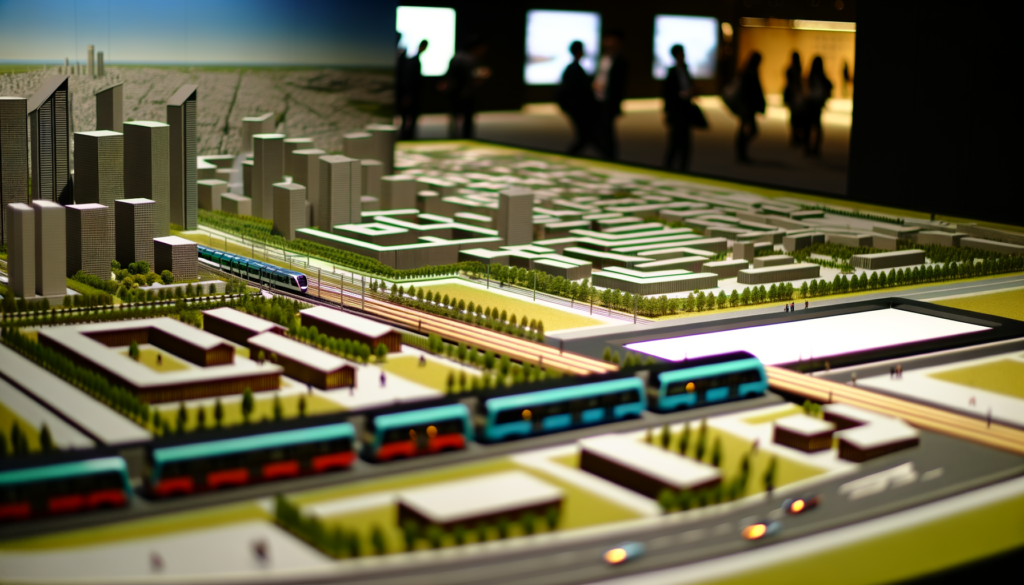
Urban planning refers to the process of designing and managing the physical and social infrastructure of cities and towns. It involves a multidisciplinary approach, incorporating aspects of architecture, engineering, sociology, and economics to create vibrant and functional urban spaces. Urban planning encompasses a wide range of activities, from zoning and land-use regulations to transportation systems and community development. Effective urban planning can have a profound impact on the quality of life of citizens, influencing factors such as public health, education, and economic opportunities.
What you will discover
- Key principles of urban planning — learn about the fundamental concepts and strategies that underpin successful urban planning
- Types of urban planning — explore the different approaches to urban planning, including comprehensive planning, strategic planning, and incremental planning
- Benefits of urban planning — discover how urban planning can improve the livability, sustainability, and resilience of cities
- Challenges in urban planning — examine the common obstacles and limitations that urban planners face, including funding constraints and stakeholder engagement
- Best practices in urban planning — learn from successful case studies and examples of effective urban planning in action
- Future directions in urban planning — explore the emerging trends and technologies that are shaping the future of urban planning, including smart cities and green infrastructure
Quick comparison
| Criterion | Traditional Urban Planning | Modern Urban Planning | Sustainable Urban Planning |
|---|---|---|---|
| Focus | Emphasis on economic growth and development | Balance between economic, social, and environmental factors | Prioritization of environmental sustainability and social equity |
| Approach | Top-down, centralized decision-making | Collaborative, participatory approach involving stakeholders | Inclusive, community-driven planning process |
| Outcomes | Often results in urban sprawl, congestion, and pollution | Can lead to more compact, walkable, and mixed-use urban environments | Aims to create resilient, adaptable, and regenerative urban ecosystems |
| Tools and technologies | Relies on traditional land-use planning and zoning regulations | Utilizes geographic information systems (GIS), urban modeling, and data analytics | Integrates green infrastructure, renewable energy systems, and smart city technologies |
For a more in-depth guide to urban planning, visit our comprehensive guide. You can also learn more about the benefits of urban planning from the United States Environmental Protection Agency, which provides resources and case studies on sustainable urban planning and development.
Complete guide — Urban Planning and Its Importance
Urban planning is a crucial aspect of designing and developing cities, towns, and villages. It involves creating plans and strategies to manage growth, development, and the use of land in a way that is sustainable, efficient, and beneficial to the community. As you explore the world of urban planning, you will discover that it encompasses a wide range of disciplines, including architecture, engineering, sociology, and environmental science. In this section, we will delve into the key aspects of urban planning and why it matters.
Understanding the Principles of Urban Planning
Designing Sustainable Communities
One of the primary goals of urban planning is to create sustainable communities that meet the needs of current and future generations. This involves designing neighborhoods with green spaces, public transportation systems, and mixed-use developments that promote walking, cycling, and social interaction. By doing so, urban planners can help reduce the carbon footprint of cities, improve air quality, and enhance the overall quality of life for residents.
Managing Urban Growth and Development
Urban planners must also manage urban growth and development in a way that is balanced and sustainable. This involves creating plans and policies that guide the use of land, regulate building heights and densities, and ensure that new developments are compatible with existing neighborhoods. By managing growth and development effectively, urban planners can help prevent sprawl, preserve natural habitats, and protect the character of existing communities.
Creating Livable and Inclusive Cities
Designing Public Spaces
Public spaces, such as parks, plazas, and streets, are essential components of urban planning. They provide areas for social interaction, recreation, and community building, and can help to foster a sense of belonging and identity among residents. Urban planners must design public spaces that are safe, accessible, and inviting, and that reflect the diverse needs and cultures of the community.
Practical steps to follow
- Step 1: Conduct a thorough analysis of the city’s existing infrastructure, including its transportation systems, public spaces, and building stock.
- Step 2: Engage with the community to understand its needs, concerns, and aspirations, and to build support for urban planning initiatives.
- Step 3: Develop a comprehensive plan that integrates land use, transportation, and environmental planning, and that sets clear goals and objectives for urban development.
- Step 4: Implement policies and programs that promote sustainable development, such as green building incentives, public transportation systems, and community land trusts.
- Step 5: Monitor and evaluate the effectiveness of urban planning initiatives, and make adjustments as needed to ensure that they are meeting their intended goals.
- Step 6: Collaborate with other stakeholders, including government agencies, private developers, and community organizations, to leverage resources and expertise and to build a more sustainable and resilient city.
Key data and statistics
| Indicator | Value / Result | Interpretation |
|---|---|---|
| Urban population growth rate | 2.1% per annum | This indicates that cities are growing rapidly, and urban planning is essential to manage this growth sustainably. |
| Percentage of urban population with access to public transportation | 75% | This suggests that many cities are investing in public transportation systems, which is a key aspect of urban planning. |
| Average carbon footprint per capita in cities | 4.5 tons CO2 equivalent | This highlights the need for urban planning to focus on reducing carbon emissions and promoting sustainable development. |
| Percentage of city budgets allocated to urban planning initiatives | 10% | This indicates that cities are investing in urban planning, but more resources may be needed to address the complex challenges facing urban areas. |
| Number of cities with comprehensive urban plans | 50% | This suggests that many cities still need to develop comprehensive plans that integrate land use, transportation, and environmental planning. |
For more information on urban planning, you can visit the urban planning resources page or the sustainable cities page. You can also refer to external sources such as the United Nations Human Settlements Programme or the United States Environmental Protection Agency for more information on sustainable urban development and environmental planning.
Practical tips
Tip 1: Engage with the Community
How to put it into practice
When it comes to urban planning, it is essential to engage with the community to understand their needs and concerns. This can be done by attending public meetings, conducting surveys, and gathering feedback through various channels. By doing so, you can ensure that the urban planning process is inclusive and effective.
- Identify key stakeholders and their interests
- Develop a communication strategy to reach a wide audience
- Use social media and other online platforms to gather feedback
- Host public events and meetings to encourage participation
Tip 2: Consider Sustainability
Environmental Impact
Urban planning should always consider the environmental impact of development. This includes reducing carbon emissions, promoting green spaces, and implementing sustainable transportation systems. By prioritizing sustainability, you can create a healthier and more livable environment for residents.
Tip 3: Prioritize Accessibility
Urban planning should prioritize accessibility to ensure that all members of the community can easily navigate and access public spaces. This includes designing pedestrian-friendly areas, implementing public transportation systems, and providing accessible facilities for people with disabilities.
Pros and cons
| Pros | Cons |
|---|---|
| Improved quality of life for residents | High costs associated with implementation |
| Increased economic growth and development | Potential for gentrification and displacement of existing communities |
| Enhanced environmental sustainability | Complexity of the planning process can lead to delays and inefficiencies |
| Better transportation systems and infrastructure | Potential for conflicts between different stakeholders and interest groups |
| More vibrant and diverse public spaces | Need for ongoing maintenance and upkeep of urban areas |
Useful resources
Frequently Asked Questions (FAQ)
What is urban planning and how does it impact our daily lives?
Urban planning, also known as urban design, is the process of designing and managing the physical environment of cities and towns to create livable and sustainable communities. It involves considering factors such as transportation, housing, public spaces, and economic development to create a functional and aesthetically pleasing urban environment. By doing so, urban planning plays a crucial role in shaping our daily experiences and interactions within cities.
Why is urban planning important for the environment?
Urban planning is essential for mitigating the environmental impacts of urbanization, such as air pollution, traffic congestion, and climate change. By incorporating green spaces, renewable energy sources, and sustainable transportation systems, urban planning can help reduce a city’s carbon footprint and create a more environmentally friendly urban environment. Effective urban planning can also help conserve natural resources and protect biodiversity.
How does urban planning affect the economy?
Urban planning has a significant impact on the economy, as it can influence the location and development of businesses, industries, and infrastructure. Well-planned cities can attract investment, create jobs, and stimulate economic growth, while poorly planned cities can lead to urban decay and economic stagnation. Urban planning can also help to identify and address social and economic inequalities, promoting more equitable and inclusive urban development.
What role do citizens play in urban planning?
Citizens play a vital role in urban planning, as their input and participation are essential for creating cities that reflect the needs and aspirations of the community. Through public engagement and participation, citizens can help shape urban planning decisions, ensuring that their voices are heard and their concerns are addressed. This can include attending public meetings, providing feedback on planning proposals, and advocating for community interests.
How can urban planning address social inequality?
Urban planning can help address social inequality by promoting inclusive and equitable urban development. This can involve creating affordable housing, community facilities, and public spaces that are accessible to all, regardless of income or social status. Urban planning can also help to mitigate the effects of gentrification, ensuring that urban renewal initiatives benefit existing communities rather than displacing them.
What are some key challenges facing urban planning in the 21st century?
Urban planning in the 21st century faces numerous challenges, including climate change, urbanization, and social inequality. Other key challenges include managing rapid population growth, addressing housing affordability, and balancing economic development with environmental sustainability. Effective urban planning must also respond to emerging trends and technologies, such as the rise of smart cities and the sharing economy.