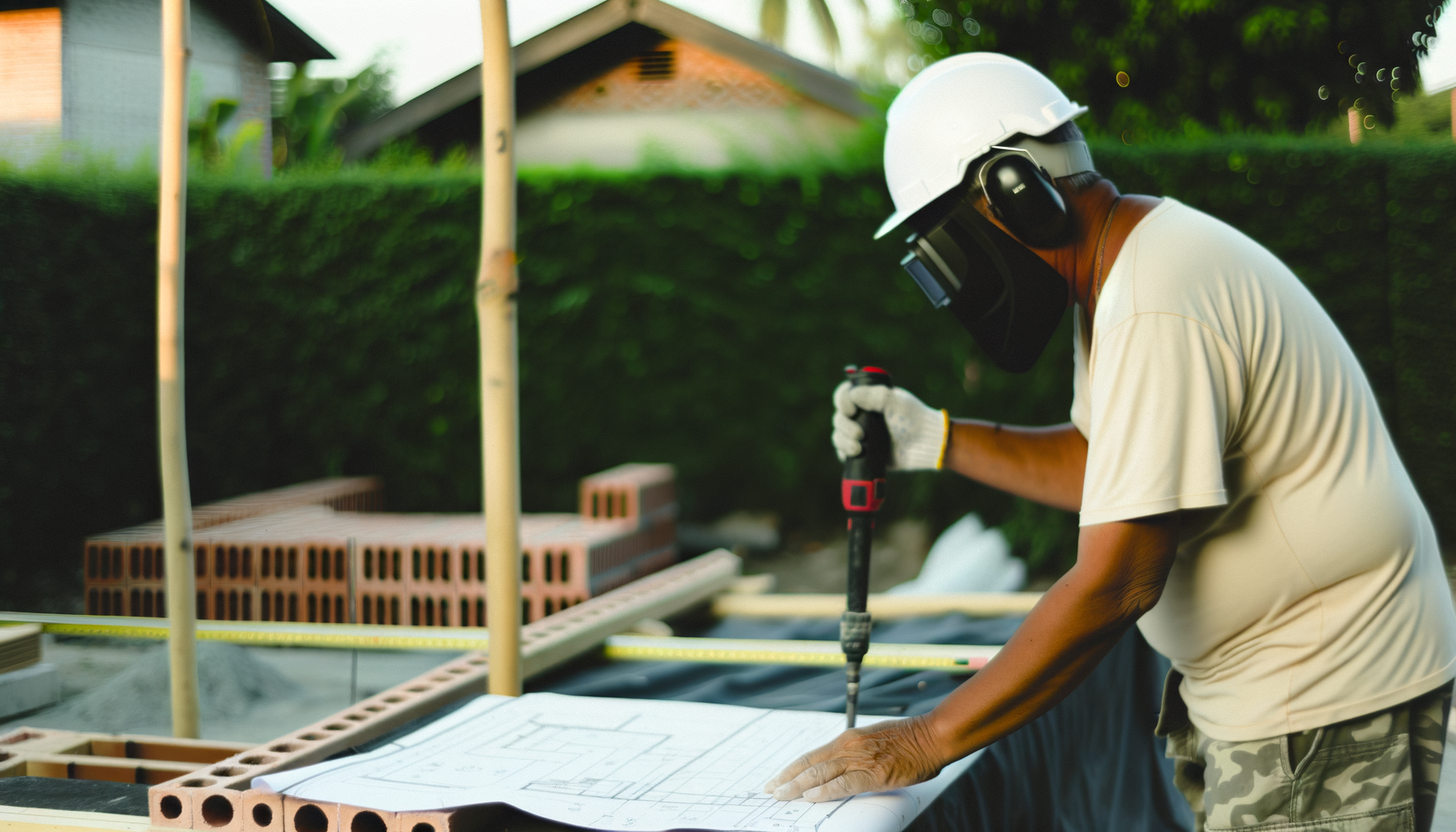
When it comes to constructing a building, the foundation is the most critical aspect to consider. A well-designed and properly constructed foundation can ensure the stability and longevity of the building, while a poorly designed one can lead to structural issues and even collapse. In this section, we will delve into the different types of building foundations, their uses, and the factors that influence their design and construction.
Types of Building Foundations
Shallow Foundations
Shallow foundations are the most common type of foundation and are used for buildings that do not require a deep foundation. They are typically used for low-rise buildings and are designed to transfer the weight of the building to the soil near the surface. Shallow foundations can be further divided into two categories: spread footings and mat foundations.
Deep Foundations
Deep foundations, on the other hand, are used for buildings that require a deeper foundation, such as high-rise buildings or buildings constructed on unstable soil. Deep foundations can be designed to transfer the weight of the building to a deeper, more stable soil layer or to a rock layer.
Design and Construction Considerations
Soil Conditions
The design and construction of a building foundation are heavily influenced by the soil conditions at the site. The type of soil, its density, and its water content can all impact the foundation’s design and construction.
Practical Steps to Follow
- Step 1: Conduct a site investigation to determine the soil conditions and identify any potential hazards.
- Step 2: Design the foundation based on the soil conditions and the building’s load requirements.
- Step 3: Select the appropriate type of foundation, taking into account factors such as cost, constructability, and maintenance.
- Step 4: Construct the foundation, ensuring that it is level, plumb, and properly aligned.
- Step 5: Inspect the foundation regularly to identify any potential issues or defects.
- Step 6: Perform any necessary repairs or maintenance to ensure the foundation remains stable and secure.
Key Data and Statistics
| Indicator | Value / Result | Interpretation |
|---|---|---|
| Foundation failure rate | 10-15% | This indicates that a significant percentage of buildings experience foundation-related issues. |
| Average cost of foundation repair | $10,000-$30,000 | This highlights the significant cost implications of foundation-related issues. |
| Most common cause of foundation failure | Soil settlement | This emphasizes the importance of proper soil investigation and design. |
| Foundation design error rate | 5-10% | This suggests that a significant percentage of foundation designs contain errors. |
| Average lifespan of a building foundation | 50-100 years | This indicates that a well-designed and constructed foundation can last for many decades. |
For more information on building foundations, you can visit the American Society of Civil Engineers website or the Federal Highway Administration website. You can also refer to the Foundation Design guide or the Wikipedia article on building foundations for further reading.
Practical tips
Tip 1: Choosing the Right Foundation Type
How to put it into practice
When it comes to building foundations, it’s essential to choose the right type for your project. Vous should consider factors such as soil type, climate, and the weight of the building to ensure a stable and secure foundation. For example, a slab foundation is suitable for warm and dry climates, while a crawl space foundation is better suited for colder climates with heavy rainfall.
- Assess the soil type and condition of the building site
- Consider the climate and weather patterns of the area
- Calculate the weight of the building and its contents
- Consult with a structural engineer or architect to determine the best foundation type
Tip 2: Ensuring Proper Drainage
Importance of Drainage
Proper drainage is crucial to prevent water damage and erosion of the foundation. Vous should ensure that the building site is graded to slope away from the foundation, and that a drainage system is installed to direct water away from the building.
Tip 3: Regular Maintenance and Inspection
Regular maintenance and inspection of the foundation are vital to identify potential issues before they become major problems. Vous should inspect the foundation regularly for signs of cracks, water damage, or other damage, and address any issues promptly.
Pros and cons
| ✅ Pros | ⚠️ Cons |
|---|---|
| Improved stability and security of the building | High upfront costs of foundation construction |
| Enhanced durability and longevity of the building | Potential for foundation damage due to soil settlement or erosion |
| Increased property value and aesthetic appeal | Complexity of foundation design and construction |
| Better protection against natural disasters such as earthquakes and floods | Environmental impact of foundation construction, such as soil disruption and material waste |
| Reduced maintenance and repair costs over time | Potential for foundation problems to go undetected, leading to costly repairs |
Useful resources
Frequently Asked Questions (FAQ)
What are the main types of building foundations used in construction?
The main types of building foundations include shallow foundations, such as slab-on-grade and crawl space foundations, and deep foundations, such as pile foundations and caissons. Understanding building foundations is crucial in construction as it provides a solid base for the structure. Building foundations are designed to transfer the weight of the building to the ground, ensuring stability and safety.
How do I choose the right type of foundation for my building project?
Choosing the right type of foundation depends on several factors, including the type of soil, climate, and intended use of the building. It’s essential to consult with a structural engineer or a professional contractor to determine the best foundation type for your specific project, considering factors such as cost, durability, and maintenance requirements. Building foundations require careful planning and execution to ensure a solid and stable base for the structure.
What is the difference between a slab-on-grade foundation and a crawl space foundation?
A slab-on-grade foundation is a type of shallow foundation where the slab is poured directly on the ground, whereas a crawl space foundation has a shallow crawl space between the ground and the floor of the building. Both types of foundations have their advantages and disadvantages, and the choice between them depends on factors such as climate, soil conditions, and local building codes. Understanding the differences between these foundation types is essential in making an informed decision for your building project.
Can I build a foundation on unstable soil?
Building a foundation on unstable soil can be challenging, but it’s not impossible. Specialized foundation systems, such as pile foundations or helical piers, can be used to transfer the weight of the building to a more stable soil layer or to bedrock. However, it’s crucial to consult with a geotechnical engineer or a foundation specialist to assess the soil conditions and determine the best course of action for your specific project, ensuring a stable and secure building foundation.
How long does it take to build a foundation?
The time it takes to build a foundation depends on several factors, including the type of foundation, size of the building, and complexity of the project. On average, it can take anywhere from a few weeks to several months to complete a foundation, depending on the scope of the work and the number of workers involved. Understanding building foundations and the construction process can help you plan and manage your project more effectively.
What are the common signs of foundation problems in a building?
Common signs of foundation problems include cracks in walls and floors, uneven or sagging floors, and doors and windows that stick or are difficult to open. If you notice any of these signs, it’s essential to consult with a foundation repair specialist to assess the damage and recommend the necessary repairs to ensure the stability and safety of your building, and to prevent further damage to the foundation.