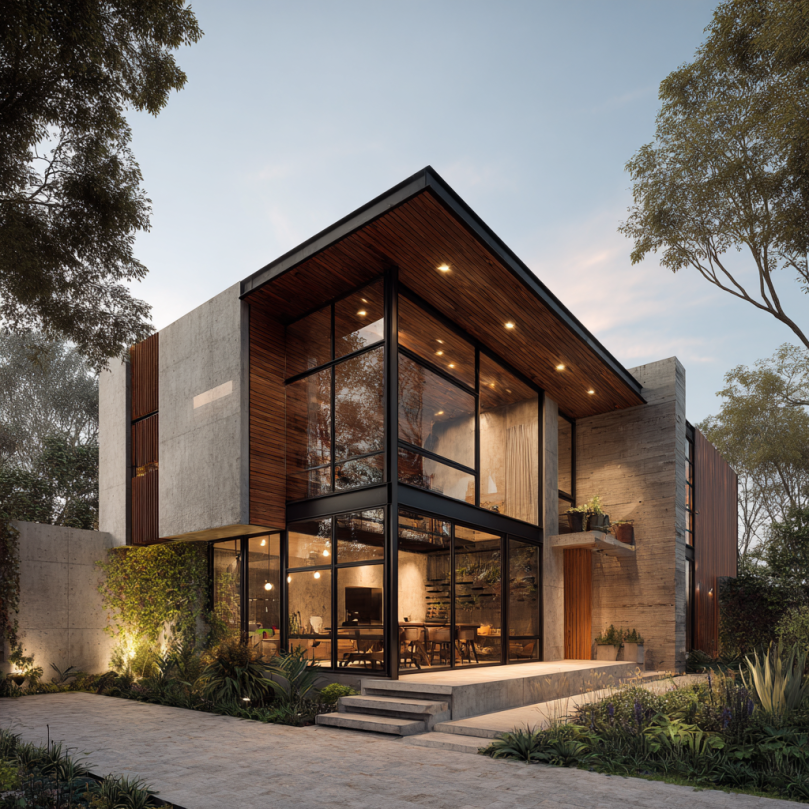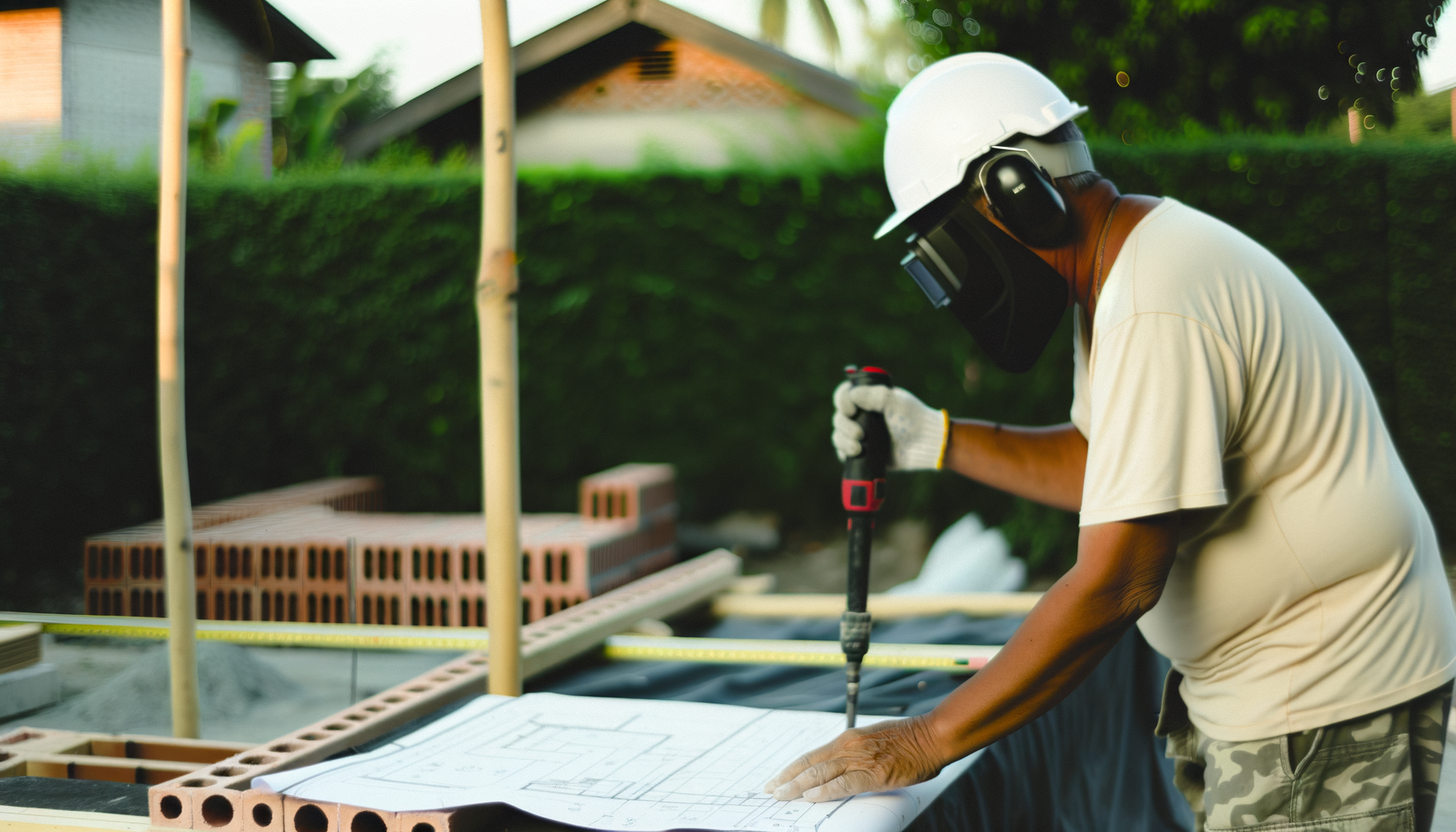
When it comes to building or renovating a structure, one of the most critical decisions you will make is the choice of materials. This decision can greatly impact the durability, sustainability, and overall aesthetic of the building. With the myriad of options available in the market, it can be overwhelming to decide between modern and traditional materials. In this article, we will delve into the world of building materials, exploring the pros and cons of each option, to help you make an informed decision.
What is Building Materials?
Building materials refer to the physical components used in the construction of a building or structure. These materials can range from natural resources such as wood and stone to synthetic materials like steel and plastic. The choice of building materials is crucial as it affects not only the structural integrity of the building but also its environmental impact. Traditional materials have been used for centuries, while modern materials offer innovative solutions to traditional building challenges.
What you will discover
- Types of modern materials — such as recycled plastic and low-carbon concrete, which offer sustainable alternatives to traditional materials
- Characteristics of traditional materials — including their durability, aesthetic appeal, and environmental impact
- Comparison of costs — examining the cost-effectiveness of modern versus traditional materials
- Sustainability considerations — exploring the environmental benefits and drawbacks of each material option
- Case studies and examples — real-world applications of modern and traditional materials in building projects
- Future trends and innovations — emerging technologies and materials that are changing the building industry
Quick comparison
| Criterion | Modern Materials | Traditional Materials | Natural Materials |
|---|---|---|---|
| Cost | Generally higher | Variable | Can be high |
| Sustainability | Often more sustainable | Can be sustainable | Naturally sustainable |
| Durability | Varies by material | Generally durable | Can be durable |
| Aesthetic Appeal | Modern look | Classic look | Natural look |
| Maintenance | Often low maintenance | Can require regular maintenance | May require periodic maintenance |
For more information on building materials and their applications, you can refer to our comprehensive guide. Additionally, you can visit the United States Environmental Protection Agency website to learn more about sustainable building practices and materials. By understanding the pros and cons of modern and traditional materials, you can make an informed decision that suits your building needs and contributes to a more sustainable future.
Complete guide — Building Basics: Modern vs Traditional Materials
When it comes to constructing a building, one of the most crucial decisions you will make is the choice of materials. This decision can significantly impact the durability, sustainability, and overall cost of the project. In this section, we will delve into the world of modern and traditional materials, exploring their advantages, disadvantages, and applications to help you make an informed decision.
Understanding Modern Materials
Definition and Characteristics
Modern materials, such as steel, aluminum, and composite materials, offer a range of benefits, including high strength-to-weight ratios, corrosion resistance, and ease of fabrication. These materials are often used in contemporary building designs, where they can be molded and shaped to create unique and complex structures.
Sustainability and Environmental Impact
Modern materials can also have a significant environmental impact, depending on their production process and end-of-life disposal. For example, the production of steel and aluminum requires large amounts of energy and can result in greenhouse gas emissions. However, many modern materials can be recycled, reducing waste and conserving natural resources.
Exploring Traditional Materials
Historical Significance and Aesthetics
Traditional materials, such as wood, brick, and stone, have been used for centuries and offer a unique aesthetic appeal and historical significance. These materials can add character and charm to a building, making them a popular choice for restoration and renovation projects.
Practical Considerations
When choosing between modern and traditional materials, it is essential to consider factors such as budget, climate, and intended use. For example, traditional materials may be more suitable for historic buildings or projects where a specific aesthetic is desired, while modern materials may be more practical for large-scale commercial developments.
Practical steps to follow
- Step 1: Assess your budget and determine which materials fit within your financial constraints
- Step 2: Consider the climate and environmental conditions of your building site
- Step 3: Evaluate the intended use of the building and the required level of durability
- Step 4: Research and compare the properties of different materials, including their strength, sustainability, and maintenance requirements
- Step 5: Consult with architects, engineers, and contractors to determine the most suitable materials for your project
- Step 6: Develop a comprehensive plan, including material sourcing, fabrication, and installation
Key data and statistics
| Indicator | Value / Result | Interpretation |
|---|---|---|
| Global steel production (2020) | 1.86 billion metric tons | Highlights the widespread use of modern materials in construction |
| Carbon emissions from cement production (2020) | 2.8 billion metric tons | Emphasizes the environmental impact of traditional materials |
| Recycling rate of aluminum (2020) | 75% | Demonstrates the potential for modern materials to be recycled and reused |
| Average lifespan of traditional wood buildings | 50-100 years | Illustrates the durability of traditional materials |
| Cost savings of using modern materials | 10-20% | Shows the potential economic benefits of modern materials |
For more information on sustainable building practices, visit the United States Environmental Protection Agency website or the Wikipedia page on green building. You can also explore our internal resources, such as building design and construction management, to learn more about the construction process and how to choose the right materials for your project.
Practical tips
Tip 1: Assessing Your Needs
How to put it into practice
When deciding between modern and traditional materials for your building project, it is essential to assess your specific needs and priorities. Consider factors such as budget, environmental concerns, and the intended use of the building. For instance, if you are building a residential home, you may prioritize materials that provide better insulation and energy efficiency. On the other hand, if you are working on a commercial project, you may focus on materials that offer durability and low maintenance costs.
- Determine your budget and allocate resources accordingly
- Research different materials and their characteristics
- Consider the environmental impact of your chosen materials
- Consult with experts, such as architects or engineers, to get personalized advice
Tip 2: Exploring Modern Options
Understanding the Benefits
Modern materials, such as steel, aluminum, and advanced composites, offer numerous benefits, including increased strength, durability, and sustainability. They can also provide improved thermal insulation, reduced maintenance costs, and enhanced aesthetic appeal. However, it is crucial to weigh these advantages against potential drawbacks, such as higher upfront costs and potential environmental concerns.
Tip 3: Evaluating Traditional Materials
Traditional materials, such as wood, brick, and stone, have been used for centuries and offer a unique charm and character. They can provide a sense of warmth, coziness, and authenticity, making them ideal for certain types of buildings, such as historic restorations or rural homes. Nevertheless, traditional materials may require more maintenance, be more prone to damage, and have higher long-term costs.
Pros and cons
| ✅ Pros | ⚠️ Cons |
|---|---|
| Modern materials offer improved strength and durability | Higher upfront costs associated with modern materials |
| Traditional materials provide a unique aesthetic appeal | Traditional materials may require more maintenance |
| Modern materials can reduce energy consumption and environmental impact | Potential environmental concerns related to modern material production |
| Traditional materials can be more environmentally friendly in certain contexts | Traditional materials may be more prone to damage and have higher long-term costs |
| Modern materials can offer improved thermal insulation and reduced noise pollution | Modern materials may lack the charm and character of traditional materials |
Useful resources
Frequently Asked Questions (FAQ)
What are the main differences between modern and traditional building materials?
When it comes to building basics, the choice between modern and traditional materials depends on several factors, including durability, sustainability, and cost. Modern materials, such as steel and glass, offer improved strength and energy efficiency, while traditional materials, like wood and stone, provide a unique aesthetic and character. Understanding the pros and cons of each option is crucial in making an informed decision.
Are modern building materials more expensive than traditional ones?
The cost of modern building materials can vary greatly, but in general, they tend to be more expensive than traditional materials. However, modern materials often require less maintenance and can last longer, which can save you money in the long run. Additionally, some modern materials, such as recycled materials, can be more affordable and sustainable.
How do I choose the right material for my building project?
Choosing the right material for your building project depends on your specific needs and goals. Consider factors such as budget, climate, and intended use of the building. You should also research different materials and their properties, such as durability, sustainability, and maintenance requirements. Consulting with a professional, such as an architect or engineer, can also help you make an informed decision.
What are the environmental benefits of using modern building materials?
Many modern building materials offer significant environmental benefits, such as reduced energy consumption, lower carbon emissions, and improved waste management. For example, materials like insulation and double-glazed windows can help reduce heat loss and energy consumption. Additionally, some modern materials, such as recycled materials and sustainable wood, can help reduce waste and promote sustainability.
Can I mix modern and traditional building materials in my project?
Yes, it is possible to mix modern and traditional building materials in your project. In fact, combining different materials can create a unique and visually appealing design. However, it’s essential to ensure that the materials are compatible and can be integrated seamlessly. You should also consider factors such as maintenance requirements, durability, and sustainability when choosing a combination of materials.
What are the maintenance requirements for modern building materials?
Maintenance requirements for modern building materials vary depending on the specific material. Some modern materials, such as steel and glass, require minimal maintenance, while others, like wood and stone, may require more frequent upkeep. Regular cleaning, inspections, and repairs can help extend the lifespan of your building and prevent damage. It’s essential to research the maintenance requirements of your chosen materials and factor them into your overall building plan.