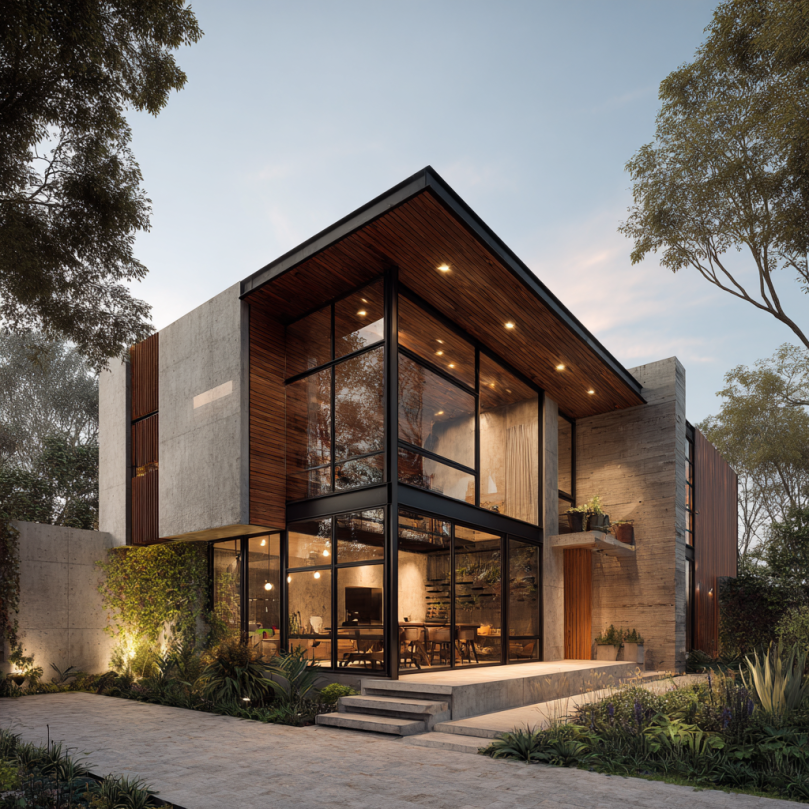
When it comes to building or renovating a home, choosing the right architectural style can be a daunting task. With so many options available, it can be overwhelming to decide which style best suits your needs and preferences. In this article, we will guide you through the process of selecting the perfect architectural style for your project. By the end of this article, you will be equipped with the knowledge and expertise to make an informed decision that reflects your personal taste and complements your lifestyle.
What is Architectural Style?
Architectural style refers to the aesthetic and design elements that characterize a building or structure. It encompasses various aspects, including the layout, materials, and features that define the overall look and feel of a building. From modern and sleek to traditional and ornate, architectural styles can vary greatly, each with its unique characteristics and historical context. Understanding the different architectural styles is essential in making an informed decision that suits your needs and budget.
What you will discover
- Key Characteristics of Popular Architectural Styles — a comprehensive overview of the defining features of various architectural styles
- Design Elements to Consider — a detailed discussion of the essential design elements that impact the overall aesthetic of a building
- Functional Considerations — an examination of the practical aspects of architectural style, including sustainability and energy efficiency
- Regional and Cultural Influences — an exploration of how regional and cultural factors shape architectural styles
- Budget and Cost Implications — a discussion of the financial considerations involved in choosing an architectural style
- Case Studies and Examples — real-life examples of successful architectural projects that demonstrate the application of different styles
Quick comparison
| Criterion | Modern | Traditional | Sustainable |
|---|---|---|---|
| Materials | Steel, glass, concrete | Wood, brick, stone | Recycled materials, green roofs |
| Energy Efficiency | High | Medium | Very High |
| Cost | High | Medium | Variable |
| Aesthetics | Minimalist, sleek | Ornate, detailed | Innovative, eco-friendly |
For a more in-depth guide to choosing the right architectural style, please refer to our comprehensive guide. Additionally, you can visit the Wikipedia page on architectural styles to learn more about the history and evolution of different styles. By considering these factors and exploring the various options available, you can make an informed decision that suits your needs and preferences.
Complete guide to Choosing the Right Architectural Style
When it comes to designing or renovating a building, choosing the right architectural style is crucial. It not only reflects the owner’s personality but also complements the surrounding environment. In this section, we will delve into the key aspects to consider when selecting an architectural style, providing you with a comprehensive guide to make an informed decision. As you navigate through this process, you will have the opportunity to explore various styles, from modern to traditional, and understand the importance of balancing aesthetics with functionality.
Understanding Your Needs and Preferences
Assessing Lifestyle and Budget
Detailed and actionable explanation of how to assess your lifestyle and budget to determine the most suitable architectural style. For instance, if you have a large family, you may require a spacious house with multiple bedrooms and living areas, whereas a single person or couple might prefer a cozy, compact design. Additionally, your budget will play a significant role in deciding the materials, size, and complexity of the design. You should also consider factors like energy efficiency, maintenance costs, and resale value when making your decision.
Considering the Site and Climate
Explanation of how the site and climate can influence your choice of architectural style. The topography, soil type, and natural features of the site can impact the design, while the climate will dictate the type of materials and design elements to incorporate. For example, a coastal area may require a design that can withstand harsh weather conditions, while a mountainous region may necessitate a style that can adapt to steep slopes and limited accessibility.
Exploring Architectural Styles
Modern, Traditional, and Hybrid Styles
Explanation of the different architectural styles, including modern, traditional, and hybrid styles, and how to choose the one that suits your needs and preferences. You can consider styles like Art Deco, Victorian, or Minimalist, and think about how they can be adapted to fit your lifestyle and budget. It’s also essential to research and gather inspiration from various sources, such as design magazines, websites, and social media platforms, to get a better understanding of the different styles and their characteristics.
Practical steps to follow
- Step 1: Define your budget and lifestyle requirements to narrow down your options
- Step 2: Research different architectural styles and their characteristics
- Step 3: Assess the site and climate to determine the most suitable design elements
- Step 4: Consult with architects or designers to get professional advice and guidance
- Step 5: Create a mood board or scrapbook to visualize your ideas and preferences
- Step 6: Visit showrooms, model homes, or exhibitions to experience different designs firsthand
Key data and statistics
| Indicator | Value / Result | Interpretation |
|---|---|---|
| Percentage of homeowners who consider architectural style when buying a house | 75% | Indicates the importance of architectural style in the home-buying decision |
| Average cost of building a custom home | $280,000 | Highlights the significant investment required for custom home construction |
| Most popular architectural style in the United States | Modern Farmhouse | Reflects current design trends and consumer preferences |
| Energy efficiency savings with green building design | 20-30% | Demonstrates the benefits of incorporating sustainable design elements |
| Resale value increase with well-designed landscaping | 10-15% | Emphasizes the impact of exterior design on property value |
For more information on architectural styles, you can visit our architectural styles page or check out the Wikipedia article on architecture. Additionally, you can explore the design inspiration section of our website or visit the United States Environmental Protection Agency website to learn more about sustainable design and green building practices.
Practical tips
Tip 1: Define Your Budget and Requirements
How to Put It into Practice
When choosing the right architectural style, it is essential to start by defining your budget and requirements. This will help you narrow down your options and ensure that the style you choose is feasible and functional. Consider factors such as the size of your property, the number of rooms you need, and the materials you want to use.
- Determine your budget and stick to it
- Make a list of your requirements, including the number of bedrooms and bathrooms
- Consider the climate and geography of your location
- Research different architectural styles and their associated costs
Tip 2: Consider the Local Context
Understanding the Neighborhood
It is crucial to consider the local context when choosing an architectural style. Think about the style of the surrounding buildings, the local zoning regulations, and the overall aesthetic you want to achieve. This will help you create a design that is both beautiful and functional.
Tip 3: Think About Sustainability
When choosing an architectural style, it is essential to think about sustainability. Consider using eco-friendly materials, designing for natural light and ventilation, and incorporating energy-efficient systems. This will not only reduce your environmental impact but also save you money in the long run.
Pros and cons
| ✅ Pros | ⚠️ Cons |
|---|---|
| Unique and personalized design | Higher upfront costs |
| Increased property value | Potential for higher maintenance costs |
| Improved energy efficiency | Limited flexibility for future changes |
| Enhanced aesthetic appeal | Potential for neighborhood disagreements |
| Better functionality and livability | Longer construction timeline |
Useful resources
Frequently Asked Questions (FAQ)
What is the importance of choosing the right architectural style for my building?
Choosing the right architectural style is crucial as it not only enhances the aesthetic appeal of your building but also reflects your personality and complements the surrounding environment. The right architectural style can also increase the value of your property and make it more functional. Consider the design and architecture of your building to ensure it meets your needs and budget.
How do I determine my personal architectural style?
To determine your personal architectural style, consider your lifestyle, preferences, and the purpose of the building. Think about the type of architecture that inspires you, such as modern, traditional, or sustainable design. You can also look for inspiration online, consult with an architect, or visit buildings with different architectural styles to find what suits you best.
What are the key factors to consider when choosing an architectural style?
When choosing an architectural style, consider factors such as climate, budget, site constraints, and local building codes. You should also think about the purpose of the building, the number of occupants, and the desired level of sustainability. Additionally, consider the style of the surrounding buildings and the overall aesthetic you want to achieve.
Can I mix different architectural styles to create a unique look?
Yes, you can mix different architectural styles to create a unique look, but it’s essential to do so thoughtfully. Combining styles can add visual interest and personality to your building, but it can also result in a disjointed appearance if not done correctly. Consider working with an architect to ensure that the different styles are integrated harmoniously and create a cohesive design.
How does the architectural style of my building impact its resale value?
The architectural style of your building can significantly impact its resale value. A well-designed building with a popular architectural style can increase its value and appeal to potential buyers. On the other hand, a building with a unique or unconventional style may appeal to a narrower audience and potentially decrease its resale value.
What role does sustainability play in choosing an architectural style?
Sustainability plays a crucial role in choosing an architectural style, as it can significantly impact the environmental footprint of your building. Consider architectural styles that incorporate sustainable design elements, such as natural materials, energy-efficient systems, and renewable energy sources. A sustainable architectural style can not only reduce your environmental impact but also save you money on energy costs in the long run.