When it comes to modern buildings, plumbing systems play a vital role in ensuring the health, safety, and comfort of occupants. As you may know, a well-designed plumbing system is essential for providing clean water, disposing of waste, and regulating water pressure. In this article, we will delve into the inner workings of plumbing systems in modern buildings, exploring the key components, technologies, and best practices involved. By the end of this article, you will have a comprehensive understanding of how plumbing systems work and what factors to consider when designing or maintaining one.
What is a Plumbing System?
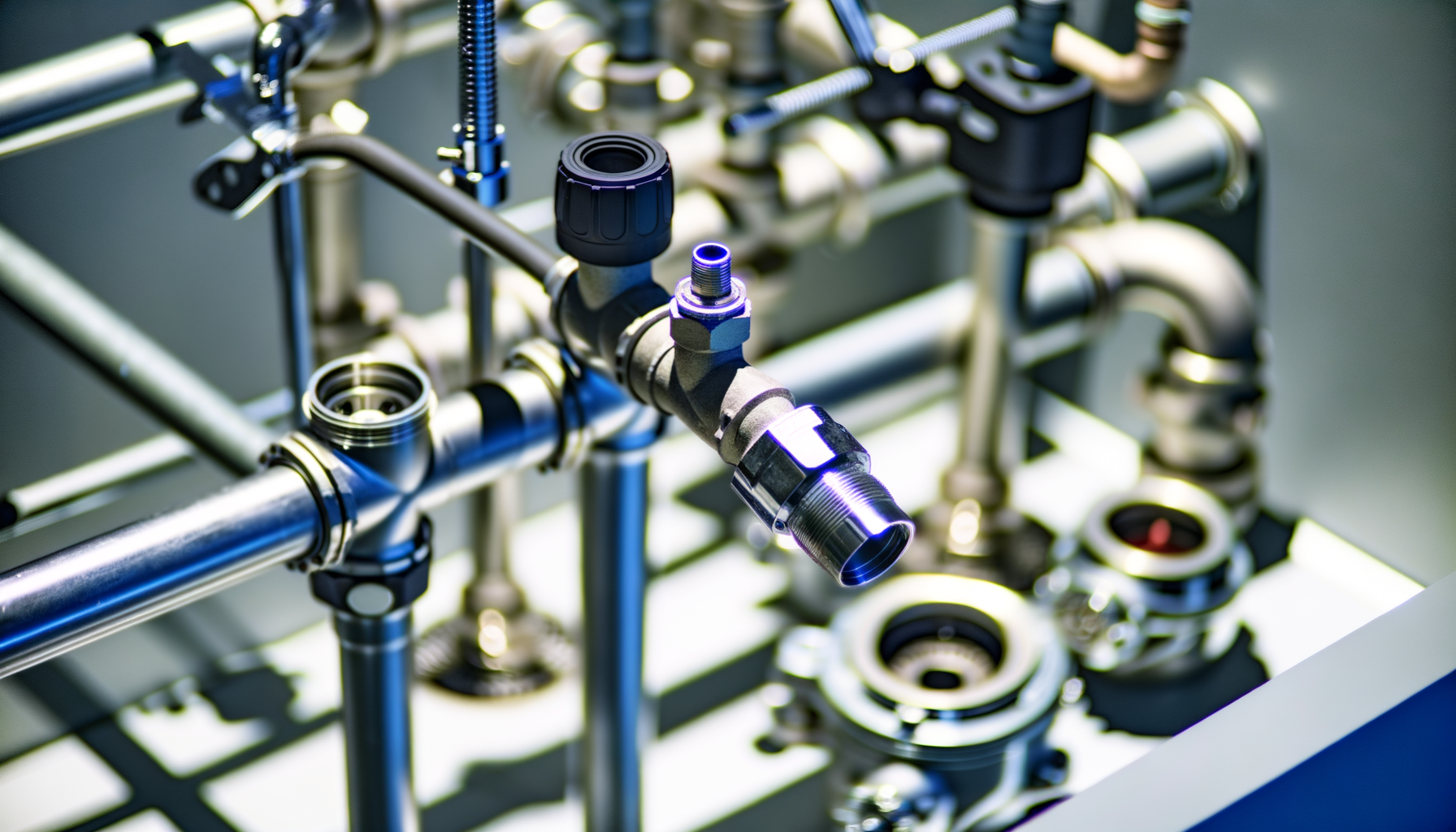
A plumbing system refers to the network of pipes, fixtures, and appliances that distribute water and gas throughout a building, as well as the drainage system that removes waste and wastewater. It is a complex system that requires careful planning, installation, and maintenance to function efficiently and effectively. A plumbing system typically consists of several key components, including water supply lines, drainage pipes, water heaters, and fixtures such as sinks, toilets, and showers. Understanding how these components work together is crucial for designing and maintaining a reliable and efficient plumbing system.
What you will discover
- Water Supply Systems — how water is distributed throughout a building, including the role of pumps, valves, and pipes
- Drainage Systems — the different types of drainage systems, including gravity-fed and pressure-powered systems
- Water Heaters — the various types of water heaters, including tank-style and tankless models
- Fixtures and Appliances — the different types of fixtures and appliances, including sinks, toilets, showers, and dishwashers
- Plumbing Materials — the various materials used in plumbing systems, including copper, PEX, and PVC pipes
- Plumbing Codes and Regulations — the importance of adhering to local plumbing codes and regulations
Quick comparison
| Criterion | Traditional Plumbing | Modern Plumbing | Green Plumbing |
|---|---|---|---|
| Water Efficiency | Low | Medium | High |
| Energy Efficiency | Low | Medium | High |
| Material Sustainability | Low | Medium | High |
| Initial Cost | Low | Medium | High |
| Long-term Cost | High | Medium | Low |
For more information on plumbing systems, check out our comprehensive guide or visit the US Environmental Protection Agency website to learn more about the importance of water efficiency and sustainability in plumbing systems.
Complete guide and in-depth analysis of Plumbing Systems in Modern Buildings
Understanding how plumbing systems work in modern buildings is crucial for maintaining efficient water supply and drainage. As you navigate through the intricacies of plumbing, it’s essential to consider the various components and mechanisms that contribute to a well-functioning system. In this section, we will delve into the key aspects of plumbing systems, exploring the major steps and details that ensure a reliable and efficient water supply.
Water Supply and Distribution
Water Treatment and Filtration
Detailed and actionable explanation of water treatment and filtration processes is vital to comprehend the removal of contaminants and impurities from water. This process involves the use of various technologies, including sedimentation, filtration, and disinfection, to produce clean and safe drinking water. As you consider the water supply system, it’s essential to recognize the importance of regular maintenance and inspection to prevent waterborne diseases.
Pipe Materials and Sizing
Explanation of pipe materials and sizing is critical to ensure the efficient distribution of water throughout the building. The choice of pipe material, such as copper, PVC, or PEX, depends on factors like water pressure, temperature, and corrosion resistance. Proper pipe sizing is also essential to prevent water hammer, noise, and vibration, which can lead to pipe damage and leaks.
Drainage and Sewer Systems
Gravity-Driven Drainage
Explanation of gravity-driven drainage systems, which rely on gravity to transport wastewater and sewage away from buildings, is essential to understand the functioning of plumbing systems. This system involves the use of sloping pipes and vents to prevent siphoning and ensure the smooth flow of wastewater.
Practical steps to follow
- Step 1: Inspect and maintain the water supply and drainage systems regularly to prevent leaks and blockages.
- Step 2: Choose the right pipe materials and sizing to ensure efficient water distribution and prevent water hammer.
- Step 3: Install water-efficient fixtures and appliances to reduce water consumption and minimize wastewater generation.
- Step 4: Implement a regular water testing and treatment program to ensure the quality of drinking water.
- Step 5: Consider installing a greywater reuse system to reduce wastewater generation and promote water conservation.
- Step 6: Consult with a professional plumber to design and install a plumbing system that meets your specific needs and requirements.
Key data and statistics
| Indicator | Value / Result | Interpretation |
|---|---|---|
| Water consumption per person per day | 80-100 gallons | This indicates the average water usage per person, highlighting the need for water-efficient practices. |
| Percentage of water lost due to leaks | 10-20% | This emphasizes the importance of regular maintenance and leak detection to prevent water waste. |
| Average cost of water damage per year | $1,000-$3,000 | This highlights the financial implications of water damage and the need for prompt repair and maintenance. |
| Energy consumption of water treatment and pumping | 3-5% of total energy consumption | This indicates the significant energy footprint of water treatment and pumping, emphasizing the need for energy-efficient solutions. |
| Percentage of households with low-flow fixtures | 50-60% | This suggests a growing trend towards water conservation, with increasing adoption of low-flow fixtures and appliances. |
For more information on plumbing systems, you can visit the United States Environmental Protection Agency (EPA) website or the American Society of Plumbing Engineers (ASPE) website. Additionally, you can refer to our internal resources, such as plumbing systems design and water conservation strategies, to learn more about efficient plumbing practices and water-saving techniques.
Practical tips
Tip 1: Regular Maintenance
How to put it into practice
Regular maintenance is crucial to ensure the efficient functioning of plumbing systems in modern buildings. You should check for leaks, corrosion, and water damage on a regular basis. This can be done by inspecting the pipes, fixtures, and appliances, and by monitoring the water pressure and flow rate.
- Check the water meter to detect any hidden leaks
- Inspect the pipes and fittings for signs of corrosion or damage
- Check the water pressure to ensure it is within the recommended range
- Monitor the water flow rate to detect any blockages or restrictions
Tip 2: Water Conservation
Low-Flow Fixtures
Installing low-flow fixtures such as toilets, showerheads, and faucets can help reduce water consumption and save energy. These fixtures use advanced technology to minimize water flow while maintaining performance.
Tip 3: Drain Maintenance
Regular drain maintenance is essential to prevent clogs and blockages. You should use a drain screen or filter to catch hair and other debris, and use a natural drain cleaner to clear any blockages.
Pros and cons
| ✅ Pros | ⚠️ Cons |
|---|---|
| Increased water efficiency | Higher upfront costs for low-flow fixtures |
| Reduced energy consumption | Potential for increased maintenance costs |
| Improved system reliability | Possible need for additional training for maintenance personnel |
| Enhanced occupant comfort and health | Potential for initial system downtime during installation or maintenance |
| Compliance with water conservation regulations | Need for regular system inspection and maintenance to ensure optimal performance |
Useful resources
Frequently Asked Questions (FAQ)
What is the primary function of a plumbing system in modern buildings?
The primary function of a plumbing system is to distribute clean water throughout the building and remove wastewater and sewage. This is achieved through a network of pipes, valves, and fixtures, such as sinks, toilets, and showers, that work together to provide a safe and healthy environment for occupants. The plumbing system is a critical component of a building’s infrastructure, and its proper functioning is essential for maintaining public health and preventing waterborne diseases.
How do plumbing systems in high-rise buildings differ from those in low-rise buildings?
Plumbing systems in high-rise buildings differ from those in low-rise buildings in terms of the complexity and pressure requirements. High-rise buildings require more complex plumbing systems with increased water pressure to supply water to upper floors, whereas low-rise buildings have simpler systems with lower pressure requirements. Additionally, high-rise buildings often require more advanced water treatment and distribution systems to ensure a reliable and safe water supply.
What are the common components of a plumbing system in modern buildings?
The common components of a plumbing system include pipes, valves, faucets, toilets, water heaters, and drainage systems. These components work together to provide a safe and efficient water supply and waste removal system. The type and quality of these components can vary depending on the building’s size, occupancy, and water usage patterns.
How often should plumbing systems in modern buildings be inspected and maintained?
Plumbing systems in modern buildings should be inspected and maintained regularly to prevent leaks, corrosion, and other issues that can lead to water damage and health risks. It is recommended to inspect plumbing systems at least once a year, and to perform maintenance tasks such as checking water pressure, inspecting pipes and fixtures, and cleaning drains to ensure the system is functioning properly.
What are the benefits of using low-flow plumbing fixtures in modern buildings?
The benefits of using low-flow plumbing fixtures include reduced water consumption, lower energy costs, and decreased wastewater generation. Low-flow fixtures, such as low-flow toilets and showerheads, use significantly less water than traditional fixtures, which can help reduce a building’s water footprint and minimize its impact on the environment.
Can plumbing systems in modern buildings be retrofitted with water-saving technologies?
Yes, plumbing systems in modern buildings can be retrofitted with water-saving technologies, such as low-flow fixtures, greywater reuse systems, and rainwater harvesting systems. These technologies can help reduce water consumption, lower energy costs, and decrease wastewater generation, making them an attractive option for building owners and managers looking to improve the sustainability of their properties.