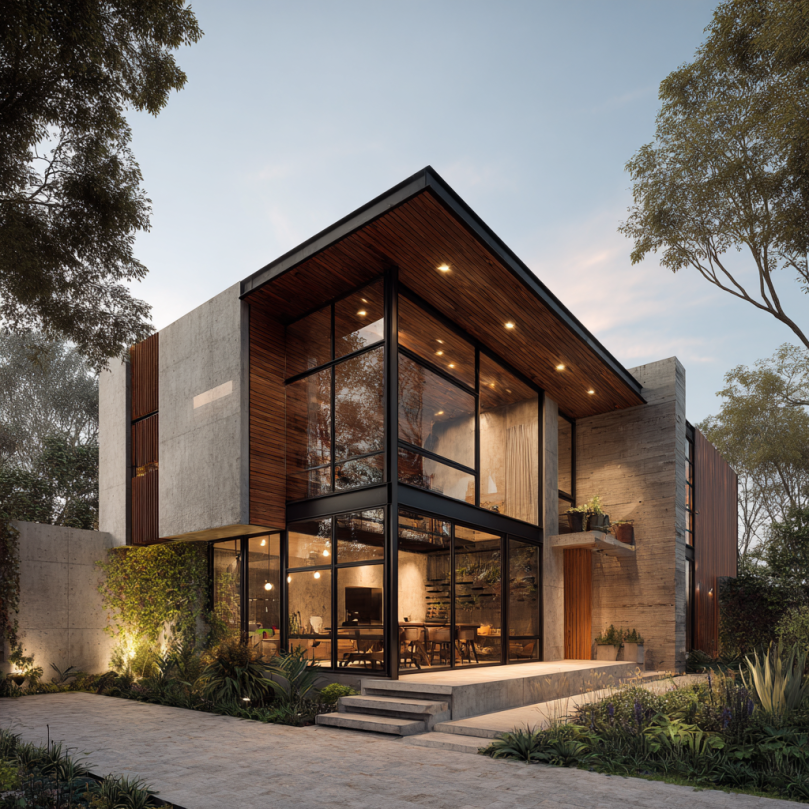
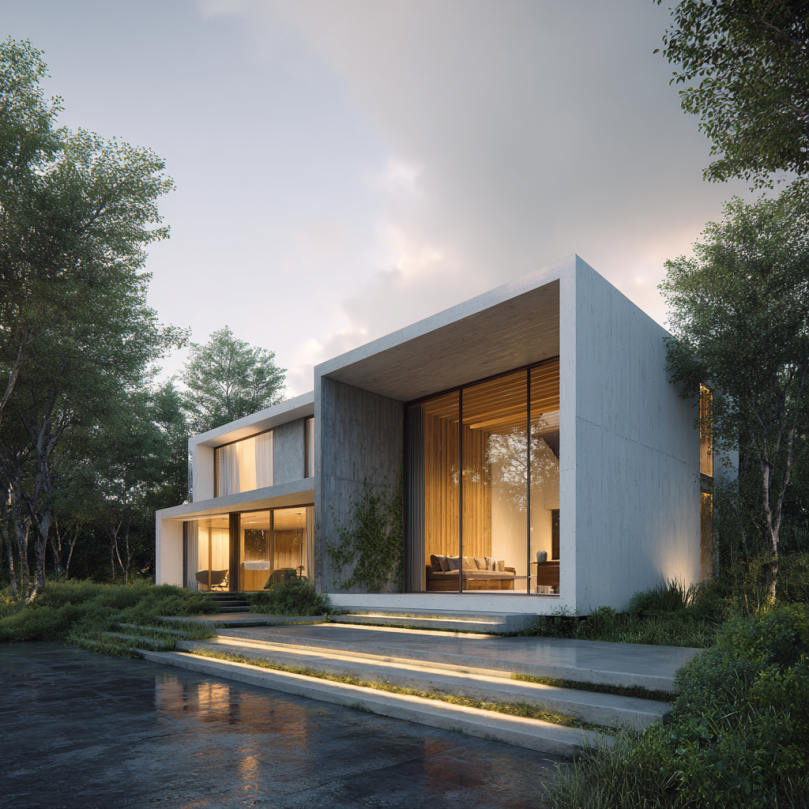
When it comes to creating a space that fosters comfort and productivity, interior design plays a crucial role. The way a room is designed can significantly impact our mood, energy levels, and overall well-being. A well-designed space can boost our creativity, improve our focus, and even affect our physical health. As you delve into the world of interior design, you will discover the profound impact it has on our daily lives.
What is Interior Design?
Interior design refers to the art and science of enhancing the interior of a building to create a healthier and more aesthetically pleasing environment for the people using the space. It involves a deep understanding of color, texture, lighting, and spatial relationships to create a functional and beautiful space. Good interior design can make a space feel more welcoming, comfortable, and efficient, which is essential for both residential and commercial spaces.
What you will discover
- The Psychology of Color — how different colors can affect our mood and behavior
- Ergonomic Design — the importance of creating a space that is functional and comfortable
- Natural Lighting — how natural light can impact our productivity and well-being
- Acoustic Design — the role of sound in creating a comfortable and productive environment
- Sustainable Design — the importance of creating a space that is environmentally friendly
- Technological Integration — how technology can be used to enhance the comfort and productivity of a space
Quick comparison
| Criterion | Residential Space | Commercial Space | Industrial Space |
|---|---|---|---|
| Primary Goal | Comfort and relaxation | Productivity and efficiency | Safety and functionality |
| Design Style | Personalized and flexible | Professional and formal | Functional and utilitarian |
| Color Scheme | Warm and inviting | Cool and calming | Neutral and practical |
| Lighting | Natural and soft | Bright and focused | Harsh and functional |
| Technology Integration | Entertainment and convenience | Productivity and communication | Safety and monitoring |
For a more in-depth guide to creating a comfortable and productive space, check out our interior design guide. Additionally, you can visit the United States Environmental Protection Agency website to learn more about the importance of indoor air quality and how it can impact our health and well-being.
Complete guide — How Interior Design Impacts Comfort and Productivity
When considering the impact of interior design on comfort and productivity, it’s essential to understand the multifaceted relationship between the physical environment and human experience. The way a space is designed can significantly influence an individual’s mood, focus, and overall well-being. In this section, we will delve into the key aspects of interior design that affect comfort and productivity, providing you with a comprehensive understanding of how to create an optimal environment.
Understanding the Psychological Impact
The Role of Color
Colors play a crucial role in interior design, as they can evoke emotions and influence mood. For instance, blue is often associated with calmness and serenity, while yellow is linked to energy and creativity. By selecting a palette that aligns with the intended use of the space, you can create an atmosphere that fosters comfort and productivity.
Lighting and Its Effects
Lighting is another vital element in interior design, as it can greatly impact the ambiance and functionality of a space. Natural light is ideal, but when this is not possible, artificial lighting can be used to create a similar effect. By incorporating a combination of task lighting, ambient lighting, and accent lighting, you can create a space that is both functional and visually appealing.
Designing for Functionality
Optimizing Layout and Workflow
A well-designed layout can significantly enhance productivity by minimizing distractions and maximizing efficiency. By strategically placing furniture and equipment, you can create a workflow that is logical and easy to follow, reducing the time and effort required to complete tasks.
Creating a Comfortable Environment
A comfortable environment is essential for both physical and mental well-being. By incorporating elements such as ergonomic furniture, noise reduction, and air quality control, you can create a space that promotes relaxation and focus.
Practical steps to follow
- Step 1: Assess your space and identify areas for improvement, considering factors such as lighting, color, and layout.
- Step 2: Set clear goals for your design project, whether it’s to increase productivity, enhance comfort, or boost mood.
- Step 3: Research and gather inspiration from various sources, including design blogs, magazines, and social media platforms.
- Step 4: Create a detailed plan and budget, taking into account the materials, equipment, and labor required for your project.
- Step 5: Implement your design plan, making adjustments as needed to ensure the final result meets your expectations.
- Step 6: Evaluate and refine your design, gathering feedback from users and making adjustments to optimize comfort and productivity.
Key data and statistics
| Indicator | Value / Result | Interpretation |
|---|---|---|
| Productivity increase with natural light | 15-20% | Studies have shown that natural light can significantly boost productivity and job satisfaction. |
| Impact of color on mood | 60-80% | Research has demonstrated that color can greatly influence mood, with certain colors evoking feelings of calmness or energy. |
| Effect of noise on focus | -20-30% | Noise pollution can significantly decrease focus and productivity, highlighting the importance of noise reduction measures. |
| Importance of ergonomics | 80-90% | Ergonomic design can greatly reduce the risk of injury and improve overall comfort, making it a crucial aspect of interior design. |
| Average return on investment for design projects | 10-20% | Well-designed spaces can lead to increased property value, improved employee satisfaction, and enhanced brand reputation. |
For more information on the impact of interior design on comfort and productivity, visit our design principles page or check out the productivity studies conducted by reputable organizations. You can also explore the National Center for Biotechnology Information for research on the psychological effects of interior design, or visit the United States Environmental Protection Agency website for guidance on creating a healthy and sustainable indoor environment.
Practical tips
Tip 1: Optimizing Lighting
How to put it into practice
To optimize lighting in your space, consider the type of tasks that will be performed in each area. For example, if you have a home office, you may want to use brighter lighting to boost productivity. On the other hand, if you have a relaxation room, you may want to use softer lighting to create a calming atmosphere.
- Use natural light whenever possible
- Install dimmer switches to adjust lighting levels
- Use task lighting for specific areas, such as reading lamps
- Consider using smart light bulbs that can be controlled remotely
Tip 2: Selecting Colors
Understanding Color Psychology
Colors can greatly impact our mood and productivity. When selecting colors for your space, consider the psychological effects of different colors. For example, blue is often associated with calmness and trust, while yellow is associated with happiness and energy.
Tip 3: Minimizing Clutter
Clutter can be a significant distraction and decrease productivity. To minimize clutter, consider implementing a “one in, one out” policy, where you get rid of an old item every time you bring a new one into your space. You can also use storage solutions, such as shelves and baskets, to keep items organized and out of sight.
Pros and cons
| ✅ Pros | ⚠️ Cons |
|---|---|
| Improved productivity and focus | High upfront costs for design and renovation |
| Enhanced comfort and well-being | Time-consuming process of designing and implementing changes |
| Increased property value | Potential for design mistakes or ineffective changes |
| Customization to meet individual needs | Difficulty in making changes to existing structures or layouts |
| Positive impact on mental health | Potential for over-design or excessive spending |
Useful resources
Frequently Asked Questions (FAQ)
How does interior design impact comfort in a home or office?
Interior design significantly affects comfort and productivity by creating a space that is visually appealing, functional, and tailored to the needs of its occupants. A well-designed space can improve mood, reduce stress, and boost overall well-being, ultimately leading to increased comfort and productivity. Effective interior design incorporates elements such as lighting, color, and furniture to create a harmonious and inviting atmosphere.
What role does color play in interior design and its effect on productivity?
Color is a crucial aspect of interior design, as it can greatly influence mood, energy, and productivity. Different colors can stimulate or calm the mind, with cool colors like blue and green often used to promote relaxation and focus, while warm colors like orange and red can stimulate creativity and energy. By strategically selecting colors, interior designers can create spaces that support the intended activities and functions of the room.
How can interior design contribute to improved productivity in the workplace?
Interior design can significantly enhance productivity in the workplace by creating a space that is both functional and inspiring. This can be achieved through the use of ergonomic furniture, ample natural light, and the incorporation of elements that promote collaboration and communication among team members. A well-designed workspace can also help to reduce distractions, improve focus, and boost employee morale, ultimately leading to increased productivity and job satisfaction.
What are some key elements to consider when designing a space for comfort and productivity?
When designing a space for comfort and productivity, key elements to consider include lighting, temperature, noise levels, and the use of technology. It is also essential to incorporate elements that promote physical and mental well-being, such as access to natural light, air quality, and the use of sustainable materials. By carefully considering these factors, designers can create spaces that support the health, comfort, and productivity of occupants.
Can interior design really influence our mood and behavior?
Yes, interior design can have a profound impact on our mood and behavior. The built environment can influence our emotions, perceptions, and actions, with different spaces evoking different emotional responses. For example, a space with high ceilings and large windows can create a sense of freedom and expansiveness, while a cozy, intimate space can promote feelings of relaxation and calm. By understanding the psychological effects of design, interior designers can create spaces that support the well-being and happiness of occupants.
How can I apply the principles of interior design to improve my own home or workspace?
Applying the principles of interior design to improve your own home or workspace involves considering the specific needs and functions of the space, as well as the preferences and lifestyle of its occupants. Start by assessing the space and identifying areas for improvement, then research and gather inspiration from various sources, including design blogs, magazines, and social media. Finally, make intentional design decisions that support your goals for the space, whether it’s to create a productive home office or a relaxing living room.