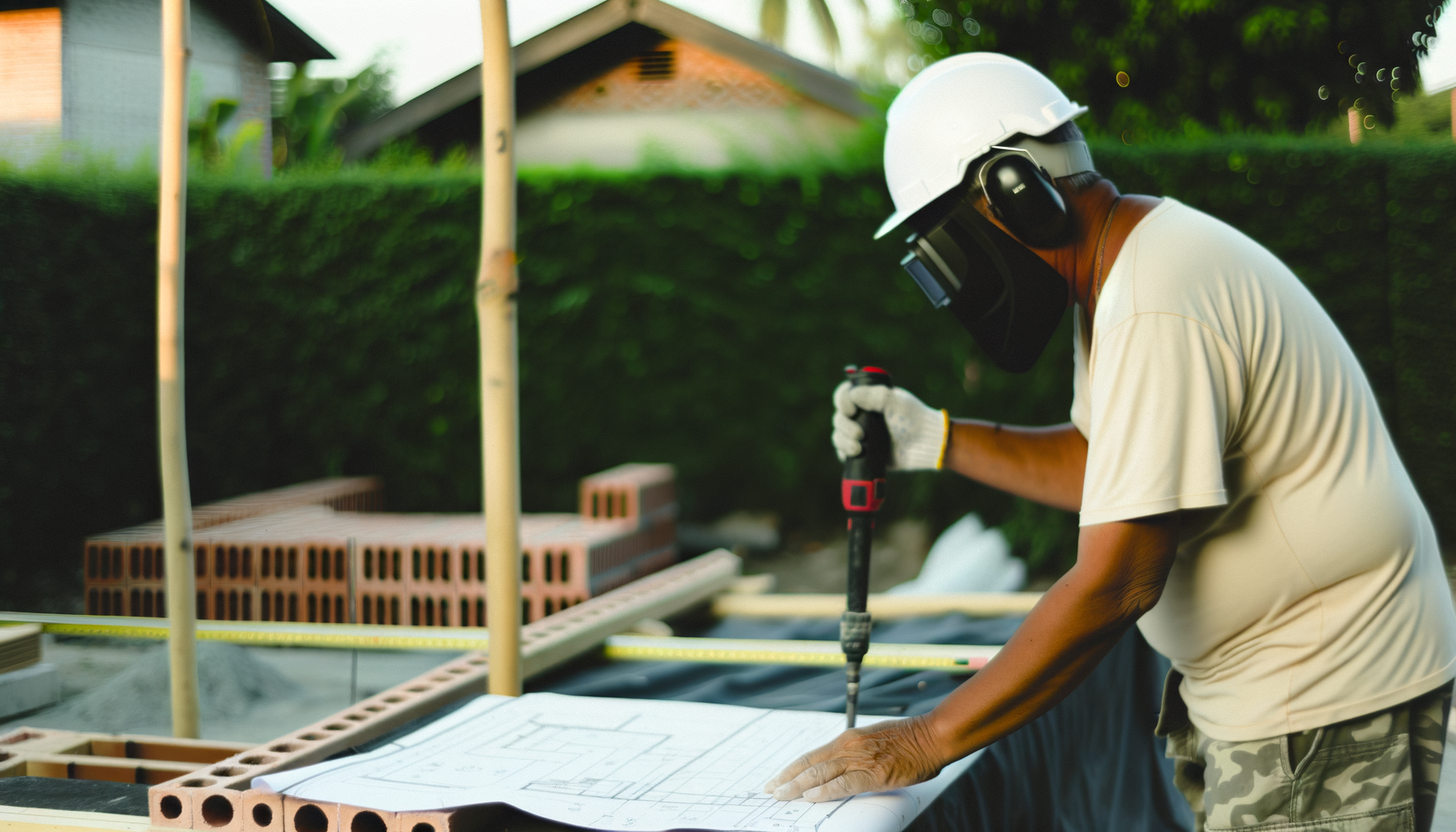
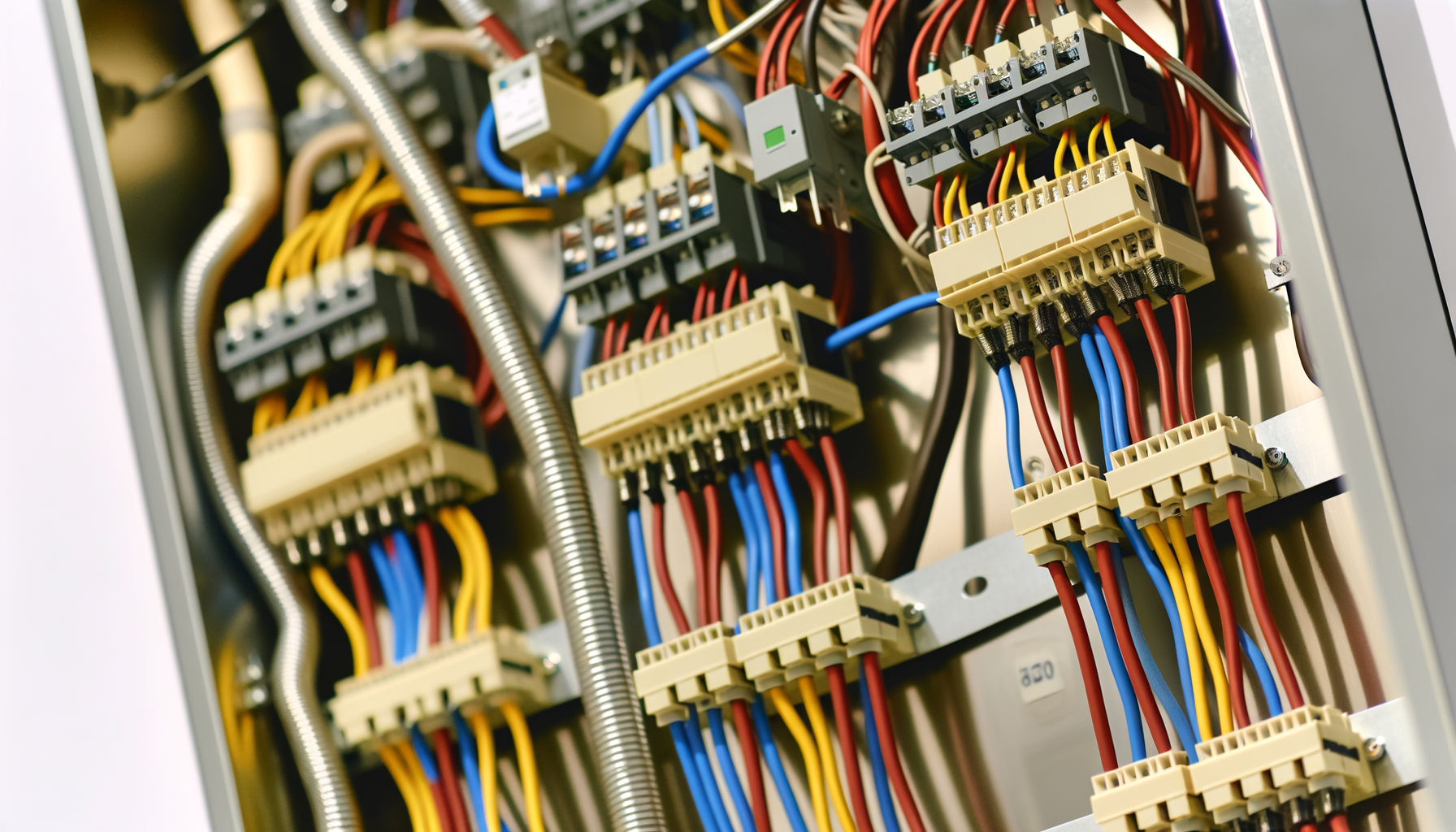
When it comes to building design and construction, electrical systems play a crucial role in ensuring the safety, efficiency, and functionality of a structure. As you delve into the world of electrical systems, you’ll discover a complex network of components working together to provide power, lighting, and communication services. The basics of electrical systems in buildings are essential knowledge for architects, engineers, and builders to create sustainable and energy-efficient structures. By understanding the fundamentals of electrical systems, you’ll be able to design and implement systems that meet the needs of occupants while minimizing environmental impact.
What is an Electrical System?
An electrical system refers to the network of components that generate, distribute, and utilize electrical energy within a building. This includes the electrical infrastructure, such as wiring, circuits, and outlets, as well as the devices and appliances that use electricity. A well-designed electrical system is essential for ensuring the safe and efficient operation of a building, and it requires careful planning and consideration of factors such as power demand, energy efficiency, and safety protocols. Electrical systems can be found in various types of buildings, including residential, commercial, and industrial structures. The design and implementation of an electrical system depend on the specific needs and requirements of the building and its occupants.
What you will discover
- Electrical System Components — understanding the different components that make up an electrical system, including generators, transformers, and distribution panels
- Power Distribution — learning how electrical power is distributed throughout a building, including the use of circuits, wiring, and outlets
- Energy Efficiency — discovering ways to optimize energy efficiency in electrical systems, including the use of energy-efficient lighting and appliances
- Safety Protocols — understanding the safety protocols and regulations that govern electrical system design and implementation
- System Maintenance — learning how to maintain and troubleshoot electrical systems to ensure safe and efficient operation
- Sustainable Design — exploring ways to design and implement sustainable electrical systems that minimize environmental impact
Quick comparison
| Criterion | Option A: Traditional Electrical Systems | Option B: Energy-Efficient Electrical Systems | Option C: Renewable Energy Systems |
|---|---|---|---|
| Energy Efficiency | Low to moderate | High | Very high |
| Cost | Low to moderate | Moderate to high | High |
| Environmental Impact | Moderate to high | Low to moderate | Very low |
| Reliability | High | High | Moderate to high |
For more information on electrical systems, you can refer to our comprehensive guide or visit the U.S. Department of Energy website for more resources on energy efficiency and renewable energy systems.
Complete guide to Understanding Electrical Systems in Buildings
Electrical systems are a crucial aspect of any building, providing the necessary power for various applications. Understanding the basics of electrical systems is essential for ensuring safety, efficiency, and reliability. In this section, we will delve into the key components, design considerations, and best practices for electrical systems in buildings.
Design and Planning
Load Calculation and Distribution
Determining the electrical load requirements of a building is a critical step in designing an electrical system. This involves calculating the total power demand of all appliances, lighting, and equipment, as well as considering factors such as occupancy, usage patterns, and future expansion plans. A well-designed electrical distribution system ensures that power is delivered safely and efficiently to all parts of the building.
System Configuration and Components
The electrical system configuration and components, such as transformers, switchgear, and circuit breakers, play a vital role in ensuring the reliability and safety of the system. Proper selection and sizing of these components are essential to prevent overheating, overloading, and electrical shock.
Installation and Maintenance
Wiring and Cabling
Proper wiring and cabling are critical for ensuring the safe and efficient operation of electrical systems. This includes selecting the correct type and size of conductors, as well as following best practices for wiring and cable management.
Electrical Safety Considerations
Electrical safety is a top priority in building design and operation. This includes ensuring compliance with relevant codes and standards, such as the National Electric Code (NEC), as well as implementing safety measures such as grounding, bonding, and arc fault protection.
Practical steps to follow
- Step 1: Conduct a thorough load calculation to determine the electrical power requirements of the building
- Step 2: Design a robust electrical distribution system, including transformers, switchgear, and circuit breakers
- Step 3: Select and install proper wiring and cabling, following best practices for wiring and cable management
- Step 4: Ensure compliance with relevant electrical codes and standards, such as the NEC
- Step 5: Implement safety measures, including grounding, bonding, and arc fault protection
- Step 6: Regularly inspect and maintain the electrical system to prevent failures and ensure reliability
Key data and statistics
| Indicator | Value / Result | Interpretation |
|---|---|---|
| Average electrical energy consumption per building | 100,000 kWh/year | Indicates the need for energy-efficient design and operation |
| Number of electrical accidents per year | 1,000 | Highlights the importance of electrical safety measures |
| Cost of electrical system maintenance per year | $10,000 | Emphasizes the need for regular maintenance and inspection |
| Percentage of buildings with electrical system failures | 20% | Indicates the need for robust design and reliable components |
| Average downtime due to electrical system failures | 2 days | Highlights the importance of prompt maintenance and repair |
For more information on electrical systems in buildings, visit our design guide or our safety standards page. You can also refer to external resources, such as the National Fire Protection Association (NFPA) or the U.S. Department of Energy, for more information on electrical systems and safety.
Practical tips
Tip 1: Understanding Electrical System Design
How to put it into practice
When designing an electrical system for a building, it is crucial to consider the overall electrical load and the specific needs of each area. This includes calculating the required power supply, selecting suitable electrical components, and ensuring compliance with safety regulations. By doing so, you can ensure a safe and efficient electrical system that meets the needs of the building’s occupants.
- Conduct a thorough load calculation to determine the required power supply
- Select electrical components that meet the specific needs of each area
- Ensure compliance with local safety regulations and standards
- Consider energy-efficient solutions to reduce energy consumption
Tip 2: Implementing Energy-Efficient Solutions
Energy-Saving Strategies
Implementing energy-efficient solutions can help reduce energy consumption and lower utility bills. This can be achieved by using energy-efficient lighting, optimizing HVAC systems, and installing power-monitoring systems. By taking these steps, you can minimize energy waste and create a more sustainable electrical system.
Tip 3: Regular Maintenance and Inspection
Regular maintenance and inspection of the electrical system are essential to ensure its safe and efficient operation. This includes checking for worn or damaged components, inspecting wiring and connections, and performing routine testing and maintenance tasks. By doing so, you can identify potential issues before they become major problems and prevent electrical hazards.
Pros and cons
| Pros | Cons |
|---|---|
| Improved safety and reduced risk of electrical hazards | Higher upfront costs for energy-efficient solutions |
| Increased energy efficiency and lower utility bills | Complexity of electrical system design and installation |
| Enhanced reliability and reduced downtime | Need for regular maintenance and inspection |
| Compliance with safety regulations and standards | Potential for electrical system failures and downtime |
| Long-term cost savings and increased property value | Initial investment in electrical system design and installation |
Useful resources
Frequently Asked Questions (FAQ)
What are the basics of electrical systems in buildings?
The basics of electrical systems in buildings include understanding the fundamentals of electricity, electrical circuits, and the components that make up these systems, such as wires, circuits, and electrical panels, which are essential for the distribution of electrical power throughout a building. Electrical systems in buildings are designed to provide safe and efficient power distribution. This knowledge is crucial for building owners, managers, and maintenance personnel to ensure the electrical system operates correctly and safely.
How do electrical systems in buildings work?
Electrical systems in buildings work by distributing electrical power from a main electrical panel to various parts of the building through a network of wires and circuits. The main electrical panel, also known as the breaker box, is the central component of the electrical system, and it is responsible for dividing the power into smaller circuits that supply electricity to outlets, lighting, and appliances. Understanding how electrical systems work is vital for troubleshooting and maintenance.
What are the key components of electrical systems in buildings?
The key components of electrical systems in buildings include electrical panels, circuit breakers, wires, outlets, lighting fixtures, and grounding systems. These components work together to provide a safe and efficient electrical system. Regular maintenance of these components is essential to prevent electrical hazards and ensure the system operates correctly.
Why is electrical safety important in buildings?
Electrical safety is important in buildings because it helps prevent electrical shocks, fires, and other hazards that can cause injury or death. Electrical safety measures, such as grounding systems and circuit breakers, are designed to protect people and property from electrical hazards. Regular inspections and maintenance of electrical systems are crucial to ensure electrical safety in buildings.
How often should electrical systems in buildings be inspected and maintained?
Electrical systems in buildings should be inspected and maintained regularly to ensure they operate safely and efficiently. The frequency of inspections and maintenance depends on the age and condition of the electrical system, as well as the level of usage. It is recommended that electrical systems be inspected at least once a year, and more frequently if the building is older or has a high level of electrical usage.
Who is responsible for maintaining electrical systems in buildings?
The responsibility for maintaining electrical systems in buildings typically falls on the building owner or manager, who is responsible for ensuring the electrical system is safe and operates correctly. This may involve hiring a licensed electrician to perform regular inspections and maintenance, as well as addressing any electrical issues that arise. Building owners and managers should prioritize electrical safety and maintenance to prevent electrical hazards and ensure the well-being of occupants.