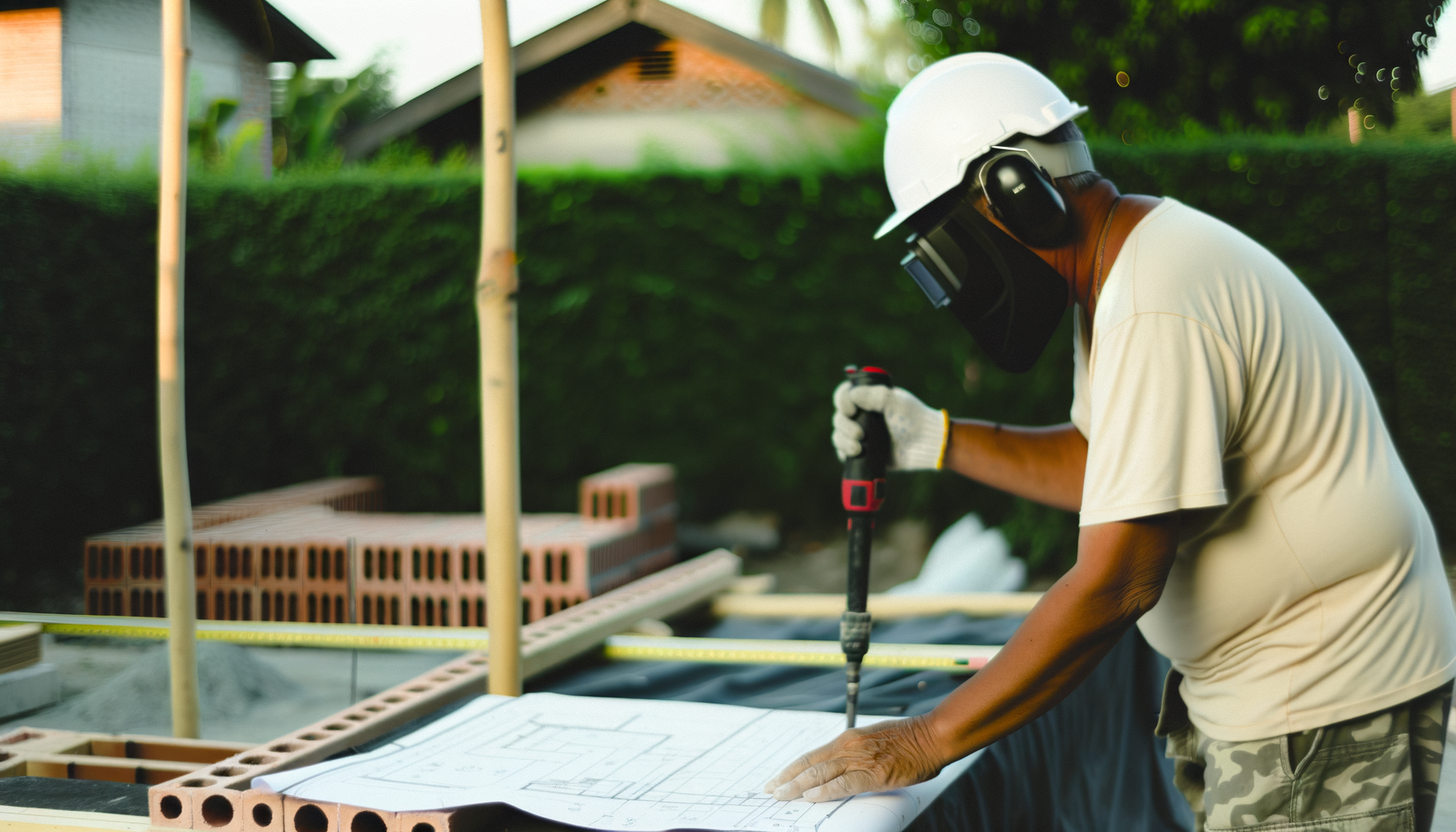

As a homeowner, you are likely to encounter various plumbing issues that can be frustrating and costly to repair. From leaky faucets to clogged drains, these problems can disrupt your daily routine and cause significant damage to your property. In this article, we will explore the common plumbing issues that you may face and provide you with practical tips on how to prevent them. By understanding the causes of these issues and taking proactive measures, you can save yourself time, money, and stress in the long run.
What is Plumbing Maintenance?
Plumbing maintenance refers to the regular inspection, repair, and replacement of plumbing systems and fixtures to ensure they function properly and efficiently. This includes checking for leaks, cleaning drains, and inspecting water heaters to prevent damage and extend their lifespan. Regular maintenance can help prevent costly repairs, reduce water waste, and promote a safe and healthy living environment. Effective plumbing maintenance requires a combination of routine checks, prompt repairs, and strategic upgrades to minimize the risk of plumbing issues.
What you will discover
- Causes of common plumbing issues — such as poor water pressure, corrosion, and mineral buildup
- Preventative measures — including regular inspections, maintenance schedules, and DIY repairs
- Plumbing system components — such as pipes, fixtures, and appliances that require regular maintenance
- Water conservation tips — to reduce water waste and lower your utility bills
- Emergency repair procedures — to help you respond quickly and effectively to unexpected plumbing issues
- Cost-effective solutions — to help you save money on plumbing repairs and maintenance
Quick comparison
| Criterion | Option A: DIY Repairs | Option B: Professional Plumbing Services | Option C: Preventative Maintenance |
|---|---|---|---|
| Cost | Low | High | Moderate |
| Effectiveness | Varying | High | High |
| Time commitment | High | Low | Moderate |
| Risk of damage | High | Low | Low |
| Long-term benefits | Low | High | High |
For more information on plumbing maintenance and repair, you can visit our comprehensive guide or check out the United States Environmental Protection Agency’s WaterSense website for tips on water conservation and efficient plumbing practices.
Complete guide — Understanding and Preventing Common Plumbing Issues
As a homeowner, you are likely to encounter various plumbing issues that can range from minor annoyances to major emergencies. Understanding the common causes of these issues and taking preventive measures can help you avoid costly repairs and ensure the longevity of your plumbing system. In this section, we will delve into the world of plumbing systems and engineering, exploring the most common issues and providing you with practical tips on how to prevent them.
Identifying Potential Problems
Leaks and Water Damage
Leaks are one of the most common plumbing issues, and they can cause significant water damage if left unchecked. Regularly inspecting your pipes and fixtures for signs of wear and tear can help you identify potential leaks before they become major problems. You should also be aware of the warning signs of leaks, such as water spots, mold, and mildew.
Clogged Drains
Clogged drains are another common issue that can be prevented with proper maintenance. Avoid pouring grease, oil, and other substances down your drains, and consider installing a drain screen to catch hair and other debris.
Understanding Your Plumbing System
Water Pressure
Understanding your plumbing system, including water pressure, can help you identify potential issues before they become major problems. Low water pressure can be a sign of a larger issue, such as a leak or clogged pipe.
Practical steps to follow
- Step 1: Inspect your pipes and fixtures regularly for signs of wear and tear
- Step 2: Fix leaks promptly to avoid water damage
- Step 3: Use a drain screen to catch hair and other debris
- Step 4: Avoid pouring grease, oil, and other substances down your drains
- Step 5: Consider installing a water pressure regulator to maintain optimal water pressure
- Step 6: Keep a plumber’s number handy in case of emergencies
Key data and statistics
| Indicator | Value / Result | Interpretation |
|---|---|---|
| Average cost of plumbing repairs | $300-$500 | This cost can be avoided with regular maintenance and prompt repairs |
| Most common cause of plumbing issues | Leaks and water damage | Regular inspections can help identify potential leaks |
| Percentage of homes with plumbing issues | 70% | Regular maintenance can help prevent plumbing issues |
| Average lifespan of a plumbing system | 25-30 years | Proper maintenance can extend the lifespan of your plumbing system |
| Cost of water damage repairs | $1,000-$3,000 | Regular inspections and prompt repairs can help avoid costly water damage repairs |
For more information on plumbing systems and maintenance, you can visit the United States Environmental Protection Agency website or the American Society of Plumbing Engineers website. You can also check out our other articles on plumbing tips and water conservation for more information on how to maintain your plumbing system and reduce your water usage.
Practical tips
Tip 1: Regular Maintenance
How to put it into practice
Regular maintenance is essential to prevent common plumbing issues. Vous can start by inspecting your pipes and fixtures regularly for any signs of wear and tear. Check for leaks, corrosion, and mineral buildup, and address these issues promptly to prevent them from becoming major problems.
- Check your water meter regularly to detect hidden leaks
- Inspect your pipes for signs of corrosion or damage
- Check your fixtures for proper function and adjust or replace as needed
- Consider hiring a professional plumber to perform annual maintenance checks
Tip 2: Fix Leaks Promptly
Preventing Water Damage
Fixing leaks promptly is crucial to preventing water damage and reducing your water bill. Vous should check your pipes and fixtures regularly for signs of leaks, and address these issues immediately to prevent them from becoming major problems.
Tip 3: Be Mindful of What You Put Down the Drain
Vous should be mindful of what you put down the drain to prevent clogs and other plumbing issues. Avoid putting grease, oil, and other substances down the drain, as these can cause clogs and damage to your pipes.
Pros and cons
| ✅ Pros | ⚠️ Cons |
|---|---|
| Regular maintenance can help prevent common plumbing issues | Regular maintenance can be time-consuming and costly |
| Fixing leaks promptly can help prevent water damage and reduce your water bill | Fixing leaks can be expensive, especially if you need to hire a professional plumber |
| Being mindful of what you put down the drain can help prevent clogs and other plumbing issues | Being mindful of what you put down the drain can require significant changes to your daily habits |
| Preventing plumbing issues can help reduce your water bill and save you money in the long run | Preventing plumbing issues can require a significant upfront investment in maintenance and repairs |
| Preventing plumbing issues can help protect your home and belongings from water damage | Preventing plumbing issues can be stressful and overwhelming, especially if you are not familiar with plumbing systems |
Useful resources
Frequently Asked Questions (FAQ)
What are the most common plumbing issues that homeowners face?
The most common plumbing issues that homeowners face include leaky faucets, clogged drains, and running toilets, which can be prevented with regular maintenance and inspections of their plumbing systems. By being proactive, you can help prevent these issues and ensure your plumbing system is functioning properly. Regular checks can also help identify potential problems before they become major issues.
How can I prevent clogs in my drains and pipes?
To prevent clogs in your drains and pipes, you should avoid pouring grease, oil, and food scraps down the drain, and instead, dispose of them in the trash. You should also use a drain screen or filter to catch hair and other debris before they go down the drain. Additionally, running hot water through your pipes after each use can help clear out any remaining debris and prevent clogs.
What are the signs of a leaky pipe, and how can I detect them?
Signs of a leaky pipe include water spots, warped flooring, and a sudden increase in your water bill. To detect leaks, you can check your water meter regularly, look for water damage on your walls and ceilings, and listen for the sound of running water when no faucets are on. By detecting leaks early, you can prevent water damage and save money on your water bill.
How often should I have my plumbing system inspected and maintained?
It is recommended to have your plumbing system inspected and maintained at least once a year, or more often if you have a large household or an older home. Regular inspections can help identify potential issues before they become major problems, and maintenance can help prevent clogs, leaks, and other issues. By being proactive, you can help extend the life of your plumbing system and prevent costly repairs.
Can I fix plumbing issues on my own, or do I need to hire a professional?
While some minor plumbing issues can be fixed on your own, such as tightening a loose faucet or unclogging a drain, more complex issues require the expertise of a professional plumber. If you’re not sure how to fix an issue or if you’re not comfortable with DIY repairs, it’s best to hire a professional to ensure the job is done correctly and safely.
What are the benefits of regular plumbing maintenance, and how can it save me money in the long run?
Regular plumbing maintenance can help prevent costly repairs, reduce your water bill, and extend the life of your plumbing system. By identifying and fixing issues early, you can avoid more expensive repairs down the line, and also help prevent water damage and mold growth. Additionally, regular maintenance can help improve the efficiency of your plumbing system, which can save you money on your water and energy bills.