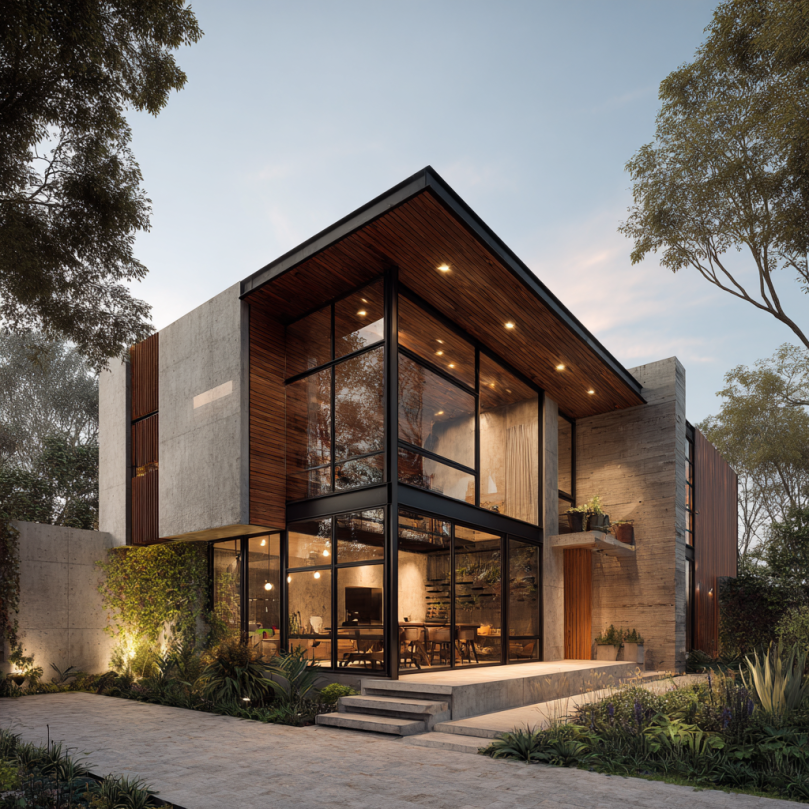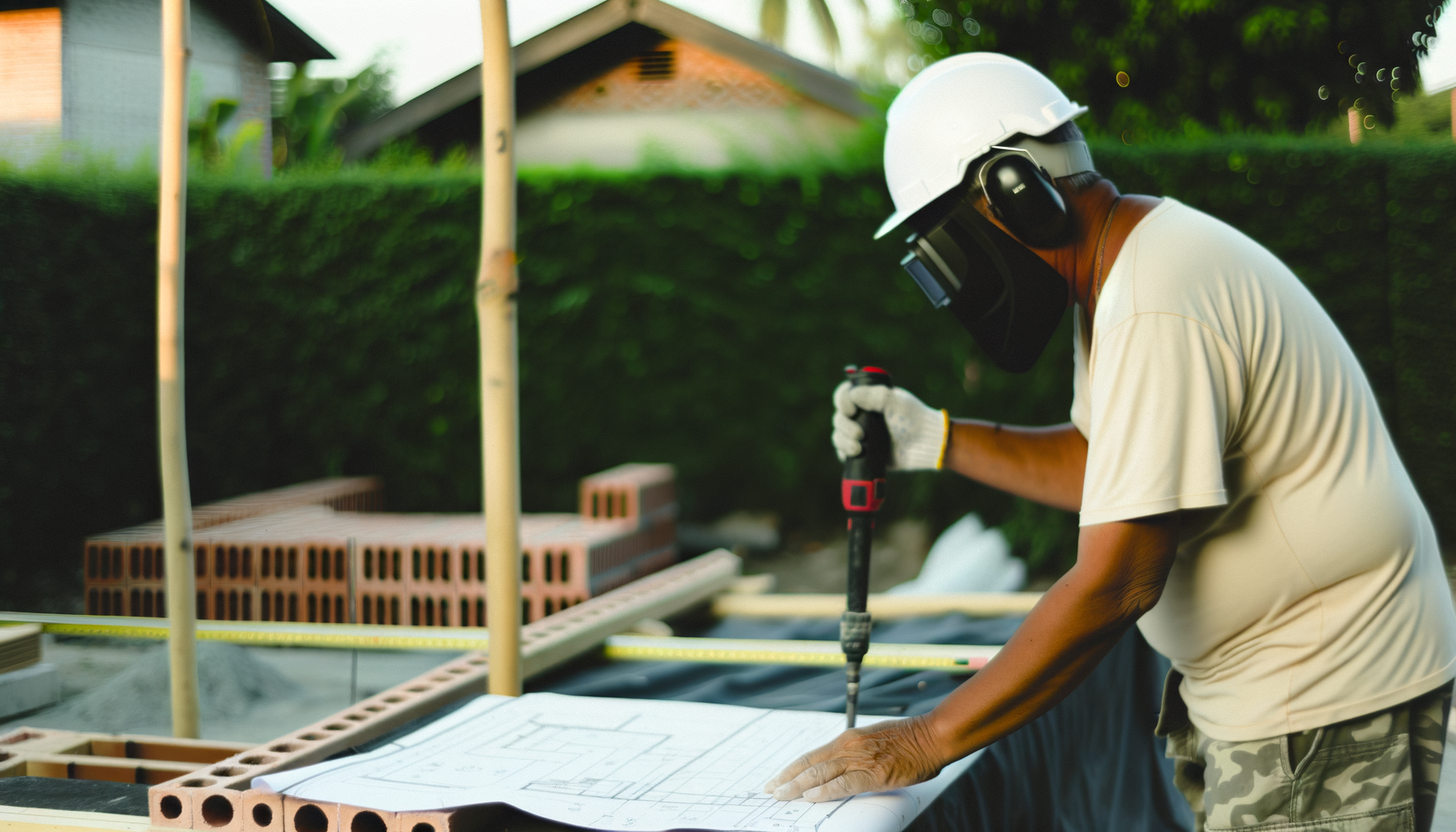

As you travel around the world, you may have noticed the diverse array of building styles that reflect the unique cultural, historical, and environmental contexts of different regions. From the sleek, modern skyscrapers of Tokyo to the ancient, ornate mosques of Marrakech, each building style has its own distinct character and story to tell. In this article, we will delve into the fascinating world of building styles, exploring their evolution, key features, and significance. Whether you are an architecture enthusiast, a design professional, or simply someone who appreciates the beauty of built environments, this article is for you.
What is building style?
A building style refers to the distinctive visual and architectural characteristics of a particular type of building, such as its shape, size, materials, and decorative elements. Building styles can be influenced by a range of factors, including climate, culture, technology, and social norms. They can also reflect the values, beliefs, and aspirations of the people who design and use them. By understanding building styles, we can gain insights into the social, cultural, and historical contexts in which they emerged.
What you will discover
- Modernism — a building style characterized by simplicity, functionality, and the use of industrial materials
- Art Deco — a glamorous and ornate style that emerged in the 1920s and 1930s
- Sustainable architecture — a style that prioritizes environmental sustainability and energy efficiency
- Historic preservation — the practice of conserving and restoring historic buildings to maintain their cultural significance
- Cultural exchange — the influence of different cultures on building styles and architectural traditions
- Innovative materials — the use of new and experimental materials in building design and construction
Quick comparison
| Criterion | Modernism | Art Deco | Sustainable architecture |
|---|---|---|---|
| Key features | Simplicity, functionality, industrial materials | Ornate decoration, glamorous aesthetics, luxurious materials | Energy efficiency, renewable energy systems, green roofs |
| Historical context | Early 20th century | 1920s and 1930s | Late 20th century to present |
| Notable examples | Bauhaus buildings, Le Corbusier’s works | Chrysler Building, Empire State Building | Green buildings, passive houses |
| Influence | International Style, minimalist design | Luxury design, Hollywood Regency style | Environmental movement, eco-friendly design |
For a more in-depth guide to building styles, check out our comprehensive guide. You can also learn more about the history and evolution of building styles on Wikipedia.
Complete guide and in-depth analysis of Popular Building Styles Around the World
As we explore the diverse and vibrant world of architecture, it becomes clear that different regions have developed unique building styles that reflect their cultural, historical, and environmental contexts. In this section, we will delve into the various popular building styles around the world, examining their characteristics, influences, and significance. By understanding these styles, you will gain a deeper appreciation for the art of architecture and its role in shaping our built environment.
Historical and Cultural Influences
Regional Architectural Traditions
Detailed and actionable explanations of regional architectural traditions reveal the complex interplay between cultural, historical, and environmental factors that have shaped the development of building styles. For instance, the use of arches and domes in Islamic architecture reflects the region’s rich cultural heritage and the need for grand, awe-inspiring structures. Similarly, the emphasis on minimalism and simplicity in Japanese architecture stems from the country’s Zen Buddhist traditions and the desire for harmony with nature.
Colonial and Imperial Legacies
Explanation of the impact of colonialism and imperialism on building styles highlights the complex and often fraught history of cultural exchange and appropriation. The blending of European and indigenous styles in colonial-era architecture, for example, reflects the complex power dynamics at play during this period. By examining these historical influences, we can gain a deeper understanding of the social, economic, and political contexts that have shaped the built environment.
Modern and Contemporary Trends
Sustainable and Eco-Friendly Design
Explanation of the growing importance of sustainable and eco-friendly design in modern architecture highlights the need for buildings that not only minimize their environmental impact but also promote occupant health and well-being. The use of green materials, renewable energy systems, and innovative ventilation strategies are just a few examples of the many approaches being used to create more sustainable buildings.
Practical steps to follow
- Step 1: Research and understand the local building codes and regulations to ensure compliance with environmental and safety standards.
- Step 2: Collaborate with architects, engineers, and contractors to develop a comprehensive design and construction plan that incorporates sustainable and eco-friendly principles.
- Step 3: Select materials and systems that minimize environmental impact, such as recycled materials, low-VOC paints, and energy-efficient appliances.
- Step 4: Incorporate natural lighting and ventilation strategies to reduce the need for artificial lighting and heating and cooling systems.
- Step 5: Monitor and evaluate the building’s performance over time to identify areas for improvement and optimize its environmental and social impact.
- Step 6: Consider obtaining certifications such as LEED or Passive House to demonstrate the building’s commitment to sustainability and environmental responsibility.
Key data and statistics
| Indicator | Value / Result | Interpretation |
|---|---|---|
| Global energy consumption in buildings | 30% of total energy consumption | This highlights the significant impact of buildings on energy consumption and the need for sustainable design and operation. |
| Carbon emissions from buildings | 20% of total greenhouse gas emissions | This emphasizes the critical role of buildings in mitigating climate change through reduced energy consumption and carbon emissions. |
| Water consumption in buildings | 10% of total water consumption | This underscores the importance of water conservation strategies in building design and operation. |
| Waste generation from construction and demolition | 30% of total waste generation | This highlights the need for sustainable construction practices and waste reduction strategies in the building industry. |
| Job creation in the sustainable building sector | 10% of total job creation in the construction industry | This indicates the growing importance of the sustainable building sector in driving economic growth and job creation. |
For more information on sustainable building design, visit the US Green Building Council website or the US Environmental Protection Agency website. You can also explore our internal resources on sustainable design principles and green building materials to learn more about creating environmentally responsible buildings.
Practical tips
Tip 1: Incorporating Local Materials
How to put it into practice
When building or designing a structure, it is essential to consider the local materials available. This not only helps in reducing transportation costs but also ensures that the building blends in with its surroundings. You can achieve this by researching the types of materials commonly used in the region and incorporating them into your design.
- Research local building codes and regulations
- Visit local construction sites to see what materials are being used
- Consult with local architects or builders to gain insight into traditional building methods
- Consider the environmental impact of the materials you choose
Tip 2: Understanding Cultural Context
Importance of Cultural Sensitivity
It is crucial to understand the cultural context of the region you are building in. Different cultures have unique design elements, such as the use of certain colors or symbols, that should be respected and incorporated into your design. This will help ensure that your building is not only aesthetically pleasing but also culturally sensitive.
Tip 3: Balancing Form and Function
A successful building design must balance form and function. This means that while the building should be visually appealing, it should also meet the needs of its occupants. You can achieve this by considering the purpose of the building and designing it with functionality in mind, while also incorporating elements that make it visually appealing.
Pros and cons
| ✅ Pros | ⚠️ Cons |
|---|---|
| Unique and culturally relevant designs | Higher costs due to the use of local materials |
| Environmentally friendly due to the use of local materials | May not be suitable for all climates or regions |
| Promotes cultural understanding and exchange | May require additional research and planning |
| Can increase property value and appeal | May not be suitable for large-scale commercial projects |
| Supports local economy and community | May have limited access to certain materials or expertise |
Useful resources
Frequently Asked Questions (FAQ)
What are the most popular building styles around the world?
The most popular building styles around the world include modern, traditional, and sustainable design, which incorporate various architectural elements to create unique and functional structures, reflecting the main keyword: Design & Architecture. These styles often blend cultural and environmental influences, resulting in diverse and captivating buildings. By understanding these styles, you can appreciate the complexity and beauty of global architecture.
How do cultural influences impact building design?
Cultural influences play a significant role in shaping building design, as architects often incorporate traditional elements, such as materials, shapes, and patterns, to reflect the local heritage and identity. This approach not only preserves cultural history but also creates a sense of community and belonging, making Design & Architecture a vital aspect of urban planning. By embracing cultural diversity, architects can design buildings that are both functional and aesthetically pleasing.
What is the significance of sustainable architecture in modern building design?
Sustainable architecture has become a crucial aspect of modern building design, as it focuses on reducing environmental impact while promoting energy efficiency and eco-friendliness. This approach involves using renewable materials, optimizing natural light and ventilation, and incorporating green technologies, ultimately contributing to a healthier and more sustainable built environment, which is a key aspect of Design & Architecture. By adopting sustainable design principles, architects can create buildings that not only minimize their ecological footprint but also enhance the well-being of occupants.
How do historical building styles influence contemporary architecture?
Historical building styles continue to inspire contemporary architecture, as architects often draw upon traditional elements, such as columns, arches, and domes, to create innovative and contextual designs. This approach allows architects to pay homage to the past while incorporating modern materials and technologies, resulting in unique and captivating buildings that reflect the evolution of Design & Architecture. By studying historical styles, architects can develop a deeper understanding of the cultural and social contexts that shaped the built environment.
What role does technology play in modern building design?
Technology plays a vital role in modern building design, as it enables architects to create complex and efficient structures using advanced software, materials, and construction methods. This includes building information modeling (BIM), computational design, and 3D printing, which allow architects to optimize building performance, reduce costs, and enhance the overall design process, making Design & Architecture more accessible and innovative. By leveraging technology, architects can push the boundaries of what is possible in building design and create more sustainable, functional, and aesthetically pleasing structures.
How can I learn more about different building styles and architectural designs?
To learn more about different building styles and architectural designs, you can explore online resources, such as architectural websites, blogs, and social media platforms, which offer a wealth of information on Design & Architecture. You can also visit museums, attend design exhibitions, and take guided tours of iconic buildings to gain a deeper understanding of the historical and cultural contexts that shaped the built environment. Additionally, you can enroll in online courses or workshops to develop your skills and knowledge in architecture and design, allowing you to appreciate the complexity and beauty of global architecture.