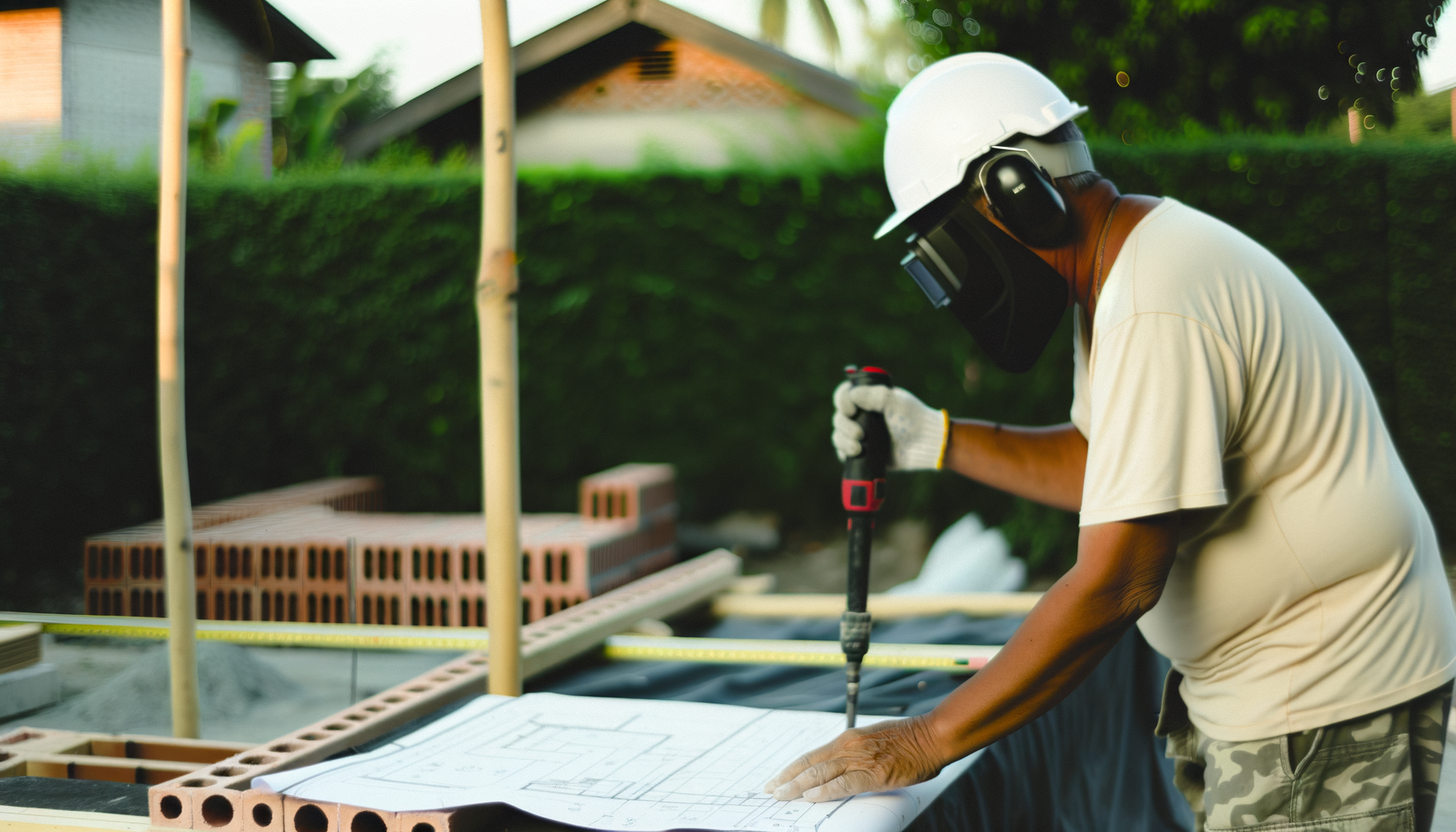

When it comes to building or renovating a structure, the right materials can make all the difference in terms of durability, sustainability, and aesthetic appeal. As you begin your construction journey, it’s essential to understand the various building materials available and their applications. This knowledge will enable you to make informed decisions and create a space that meets your needs and exceeds your expectations. Whether you’re a seasoned builder or a DIY enthusiast, this article will provide you with a comprehensive overview of the essential building materials and their uses.
What is Building Materials?
Building materials refer to the physical components used in the construction of buildings, bridges, and other structures. These materials can be natural or synthetic and are chosen based on their strength, durability, and sustainability. The selection of building materials is crucial, as it can impact the overall quality, safety, and environmental footprint of a structure. From foundation to finish, building materials play a vital role in determining the success of a construction project. The choice of materials can also affect the project’s budget, timeline, and maintenance requirements.
What you will discover
- Foundation materials — such as concrete, brick, and stone, which provide the base for your structure
- Framing materials — like wood, steel, and aluminum, which form the skeleton of your building
- Insulation materials — including fiberglass, foam board, and reflective insulation, which help regulate temperature and energy efficiency
- Exterior finishing materials — such as siding, roofing, and trim, which protect your structure from the elements and enhance its curb appeal
- Interior finishing materials — like drywall, flooring, and cabinets, which create a comfortable and functional living space
- Sustainable building materials — including reclaimed wood, bamboo, and low-VOC paints, which offer eco-friendly alternatives for environmentally conscious builders
Quick comparison
| Criterion | Concrete | Wood | Steel |
|---|---|---|---|
| Strength | High compressive strength | Variable depending on species | High tensile strength |
| Durability | Resistant to weathering and pests | Prone to rot and insect damage | Resistant to corrosion with proper coating |
| Sustainability | High embodied energy | Renewable resource with proper forestry practices | High recyclability rate |
| Cost | High upfront cost | Variable depending on species and quality | High upfront cost |
For more information on building materials and their applications, be sure to check out our comprehensive guide to construction basics. You can also visit the United States Environmental Protection Agency website to learn more about sustainable building materials and practices.
Complete guide and in-depth analysis of Building Materials and Their Applications
Understanding the essential building materials and their applications is crucial for any construction project. This guide provides an overview of the main building materials, their characteristics, and uses. By following this guide, you will be able to make informed decisions when selecting materials for your project.
Introduction to Building Materials
Types of Building Materials
Building materials can be broadly classified into natural and synthetic materials. Natural materials, such as wood, stone, and clay, have been used for centuries, while synthetic materials, such as steel, concrete, and plastics, have become increasingly popular in recent years. Each type of material has its own unique characteristics, advantages, and disadvantages.
Factors Affecting Material Selection
When selecting building materials, you should consider factors such as durability, sustainability, cost, and aesthetic appeal. For example, if you are looking for a material that is both durable and sustainable, you may consider using reclaimed wood or low-carbon concrete.
Applications of Building Materials
Residential Construction
Building materials are used in various residential construction projects, including single-family homes, apartments, and condominiums. The choice of material depends on factors such as climate, budget, and personal preference.
Practical steps to follow
- Step 1: Determine the project requirements and budget
- Step 2: Research and select the most suitable building materials
- Step 3: Consider factors such as sustainability and durability
- Step 4: Ensure compliance with local building codes and regulations
- Step 5: Consult with professionals, such as architects and engineers, if necessary
- Step 6: Monitor the construction process to ensure that the materials are used efficiently and effectively
Key data and statistics
| Indicator | Value / Result | Interpretation |
|---|---|---|
| Global construction market size | $10.7 trillion (2020) | The construction industry is a significant contributor to the global economy |
| Most widely used building material | Concrete | Concrete is a versatile and widely available material |
| Carbon emissions from construction industry | 23% of global emissions (2019) | The construction industry has a significant impact on the environment |
| Average energy efficiency of new buildings | 30% more efficient than older buildings | New buildings are designed to be more energy-efficient |
| Projected growth of green building market | 10% annual growth rate (2020-2025) | The demand for sustainable building materials is increasing |
For more information on building materials and their applications, visit our website or consult the United States Environmental Protection Agency website. You can also read about the benefits of sustainable construction and explore the Wikipedia page on building insulation.
Practical tips
Tip 1: Choosing the Right Materials
How to put it into practice
When selecting building materials, it is essential to consider the specific requirements of your project, including budget, climate, and intended use. You should research and compare different materials to determine which ones best suit your needs. Consider factors such as durability, sustainability, and maintenance costs to make an informed decision.
- Research local building codes and regulations
- Consider the environmental impact of your material choices
- Consult with experts, such as architects or engineers, if needed
- Read reviews and ask for referrals from previous customers
Tip 2: Optimizing Material Usage
Reducing Waste and Saving Costs
To minimize waste and reduce costs, it is crucial to optimize material usage. You can achieve this by accurately measuring and cutting materials, using efficient construction techniques, and reusing or recycling leftover materials whenever possible.
Tip 3: Ensuring Proper Installation
Proper installation is vital to ensure the safety, durability, and performance of your building materials. Make sure to follow the manufacturer’s instructions and hire qualified professionals if you are not experienced in the installation process.
Pros and cons
| ✅ Pros | ⚠️ Cons |
|---|---|
| Increased durability and lifespan of buildings | Higher upfront costs for high-quality materials |
| Improved energy efficiency and reduced maintenance costs | Potential environmental impact of material extraction and production |
| Enhanced aesthetic appeal and property value | Complexity and challenges in sourcing and transporting materials |
| Better resistance to natural disasters and extreme weather conditions | Potential health risks associated with certain materials, such as asbestos or lead |
| Compliance with building codes and regulations | Time-consuming and labor-intensive installation processes |
Useful resources
Frequently Asked Questions (FAQ)
What are the most essential building materials for construction projects?
The most essential building materials include cement, concrete, steel, wood, and bricks, which are used in various applications such as foundation work, framing, and finishing. These materials are crucial for ensuring the structural integrity and durability of a building. The choice of building materials depends on factors such as climate, budget, and intended use of the building, and building basics should be considered when selecting materials.
What is the difference between cement and concrete?
Cement is a fine powder made from limestone, clay, and other minerals, while concrete is a composite material made from a mixture of cement, water, and aggregate such as sand or gravel. Concrete is a more versatile and widely used material in construction, and understanding the difference between cement and concrete is essential for building basics.
What are the applications of steel in building construction?
Steel is a versatile material used in various applications such as framing, roofing, and reinforcing concrete. It is prized for its high strength-to-weight ratio, durability, and resistance to corrosion, making it an ideal material for building basics such as beams, columns, and foundations.
What are the benefits of using sustainable building materials?
The benefits of using sustainable building materials include reduced environmental impact, improved energy efficiency, and lower maintenance costs. Sustainable materials such as recycled wood, bamboo, and low-carbon concrete are becoming increasingly popular in building basics as they offer a more environmentally friendly alternative to traditional materials.
How do I choose the right building materials for my project?
Choosing the right building materials depends on factors such as climate, budget, and intended use of the building. It is essential to consider the building basics such as durability, maintenance, and energy efficiency when selecting materials. Consulting with a professional or conducting research can help you make an informed decision.
What are the safety considerations when working with building materials?
When working with building materials, it is essential to consider safety factors such as handling and storage, personal protective equipment, and potential hazards such as dust, noise, and heavy lifting. Following safety protocols and guidelines is crucial for preventing accidents and ensuring a safe working environment in building basics.