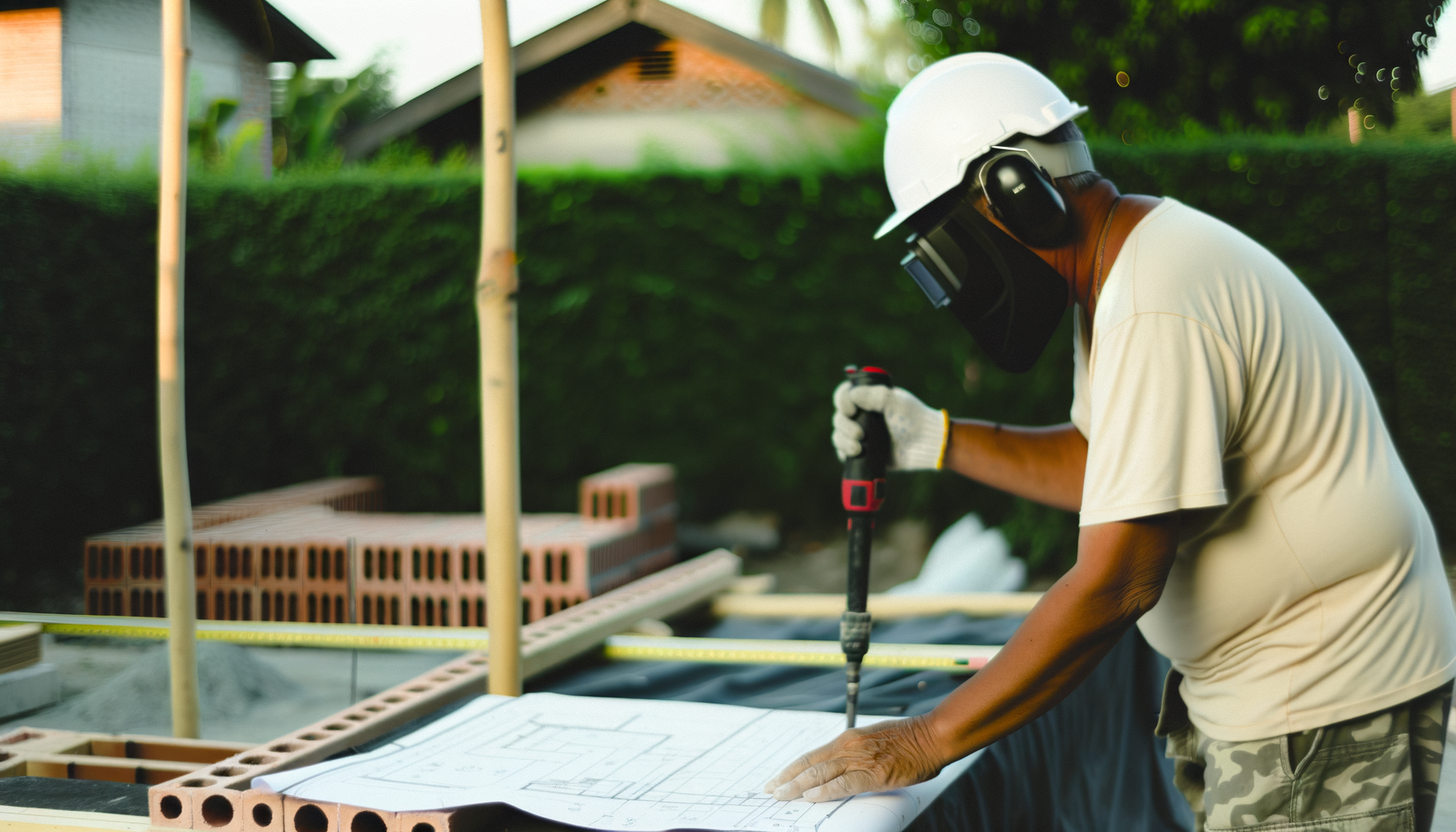
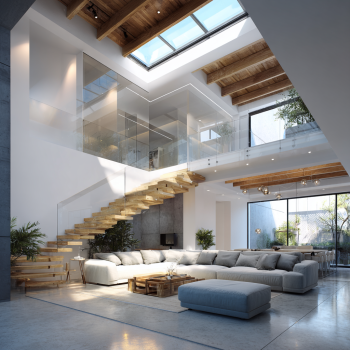
When it comes to modern buildings, the structural systems used play a crucial role in ensuring the safety, durability, and sustainability of the construction. As you delve into the world of building design and construction, understanding the key structural systems is essential. The right choice of structural system can significantly impact the overall performance and efficiency of a building. In this article, we will explore the fundamental concepts and types of structural systems used in modern buildings, providing you with a comprehensive overview of the subject.
What is a Structural System?
A structural system refers to the network of components that work together to provide support and stability to a building. It includes the foundation, walls, floors, beams, columns, and roof, all of which must be carefully designed and integrated to ensure the building can withstand various loads and stresses. A well-designed structural system is critical to the overall integrity and longevity of a building. The system must be able to resist external forces such as wind, earthquakes, and gravity, while also providing a comfortable and functional space for occupants.
What you will discover
- Load-bearing walls — a traditional and common method of supporting a building’s weight
- Frame structures — a more flexible and adaptable approach to building design
- Cable structures — used for large-span buildings such as stadiums and auditoriums
- Membrane structures — often used for temporary or portable buildings
- Suspended structures — used for buildings with unique or complex designs
- Hybrid structures — combining different materials and techniques to achieve optimal performance
Quick comparison
| Criterion | Load-bearing walls | Frame structures | Cable structures |
|---|---|---|---|
| Cost | Low to moderate | Moderate to high | High |
| Fleuxibility | Low | High | Moderate |
| Load capacity | Moderate | High | Very high |
| Sustainability | Moderate | High | High |
For a more in-depth look at the design and construction process, you can refer to our comprehensive guide on building basics. Additionally, you can visit the American Society of Civil Engineers website for more information on structural systems and building design. By understanding the key structural systems used in modern buildings, you can make informed decisions and create safe, efficient, and sustainable structures that meet the needs of occupants and the environment.
Complete guide to Understanding Structural Systems in Modern Buildings
When it comes to the construction of modern buildings, understanding the key structural systems is crucial for ensuring the safety, durability, and functionality of the structure. As you delve into the world of building basics, it’s essential to comprehend the various systems that work together to provide a solid foundation, support the weight of the building, and withstand external forces. In this section, we will explore the major aspects of structural systems used in modern buildings, providing you with a comprehensive guide to help you navigate the complexities of building design and construction.
Introduction to Structural Systems
Types of Structural Systems
Detailed and actionable explanation of the different types of structural systems, including beam and column systems, frame systems, and load-bearing wall systems, is necessary to understand how they work together to provide support and stability to the building. By recognizing the advantages and disadvantages of each system, you can make informed decisions about which system to use for your building project.
Importance of Structural Integrity
Explanation of the importance of maintaining structural integrity, including the consequences of neglecting or compromising the structural system, such as collapse or damage to the building, highlights the need for careful planning and execution in the construction process.
Design and Construction Considerations
Load Calculations and Analysis
Explanation of the process of calculating and analyzing loads, including dead loads, live loads, and environmental loads, is critical to ensuring that the structural system can withstand the stresses and pressures it will be subjected to.
Practical Steps to Follow
- Step 1: Conduct a thorough site analysis to determine the environmental and geological conditions that may impact the structural system.
- Step 2: Choose a suitable structural system based on the building’s design, size, and intended use.
- Step 3: Perform load calculations and analysis to determine the required strength and stability of the structural system.
- Step 4: Design and detail the structural system, including the selection of materials and the layout of components.
- Step 5: Construct the structural system, following the design plans and specifications.
- Step 6: Inspect and test the structural system to ensure it meets the required standards and codes.
Key Data and Statistics
| Indicator | Value / Result | Interpretation |
|---|---|---|
| Steel usage in construction | 1.6 billion metric tons (2020) | Highlights the widespread use of steel in modern building construction. |
| Concrete consumption | 25 billion metric tons (2020) | Indicates the significant role of concrete in building construction. |
| Energy efficiency in buildings | 30% reduction in energy consumption (2010-2020) | Demonstrates the progress made in improving energy efficiency in buildings. |
| Building codes and standards | 90% of countries have adopted building codes (2020) | Shows the increasing adoption of building codes and standards worldwide. |
| Sustainable building practices | 50% increase in sustainable building projects (2015-2020) | Illustrates the growing trend towards sustainable building practices. |
For more information on building codes and standards, visit the National Building Codes webpage. You can also refer to the Wikipedia article on structural systems or the American Society of Civil Engineers website for further reading. Additionally, the Sustainability in Construction page provides valuable resources on sustainable building practices.
Practical tips
Tip 1: Understanding Building Codes and Regulations
How to put it into practice
When it comes to key structural systems used in modern buildings, it is essential to understand the local building codes and regulations. You should research and familiarize yourself with the specific requirements and standards in your area to ensure compliance and avoid potential issues. This includes understanding the different types of building codes, such as the International Building Code (IBC) and the International Residential Code (IRC), and how they apply to your project.
- Research local building codes and regulations
- Consult with a professional engineer or architect
- Review and understand the different types of building codes
- Ensure compliance with all relevant regulations
Tip 2: Choosing the Right Materials
Considering Factors Such as Durability and Sustainability
Choosing the right materials for your building project is crucial. You should consider factors such as durability, sustainability, and cost-effectiveness when selecting materials. This includes considering the use of sustainable materials, such as recycled materials, and materials that are resistant to natural disasters, such as earthquakes and hurricanes.
Tip 3: Ensuring Proper Maintenance and Inspection
Regular maintenance and inspection are essential to ensure the longevity and safety of your building. You should develop a maintenance plan that includes regular inspections, repairs, and replacements as needed. This includes inspecting the building’s foundation, roof, and other critical systems to identify potential issues before they become major problems.
Pros and cons
| ✅ Pros | ⚠️ Cons |
|---|---|
| Increased safety and durability | Higher upfront costs |
| Improved energy efficiency | Complexity of design and construction |
| Enhanced aesthetic appeal | Potential for maintenance and repair issues |
| Compliance with building codes and regulations | Limited flexibility in design and layout |
| Reduced risk of natural disasters | Potential for environmental impact |
Useful resources
Frequently Asked Questions (FAQ)
What are the key structural systems used in modern buildings?
The key structural systems used in modern buildings include the frame structure, load-bearing wall structure, and shear wall structure, which provide stability and support to the building. These systems are designed to withstand various loads, such as gravity, wind, and seismic forces, and are typically made of materials like steel, concrete, and wood. Understanding these structural systems is essential for building design and construction.
How do architects choose the right structural system for a building?
Architects choose the right structural system for a building based on factors such as the building’s purpose, size, location, and environmental conditions. They consider the type of loads the building will be subjected to, as well as the materials and construction methods available. The choice of structural system also depends on the desired aesthetic and functional requirements of the building, such as natural light, ventilation, and accessibility.
What is the difference between a load-bearing wall and a non-load-bearing wall?
A load-bearing wall is a wall that supports the weight of the building and transmits it to the foundation, whereas a non-load-bearing wall is a wall that does not support any vertical loads and is used primarily for partitioning and enclosure. Load-bearing walls are typically thicker and more heavily reinforced than non-load-bearing walls, and are designed to carry the weight of the building’s floors, roof, and other structural elements.
How do structural systems affect the energy efficiency of a building?
Structural systems can affect the energy efficiency of a building by influencing the amount of insulation, glazing, and ventilation that can be incorporated into the design. For example, a building with a well-insulated and air-tight structural system can reduce heat loss and gain, while a building with large windows and minimal insulation can increase energy consumption. Architects and engineers must balance the structural requirements of a building with its energy efficiency goals.
Can structural systems be retrofitted or modified to improve building performance?
Yes, structural systems can be retrofitted or modified to improve building performance, such as by adding reinforcement to existing walls or floors, or by installing new structural elements like beams or columns. This can be done to address issues such as structural damage, obsolescence, or changes in building use, and can help to extend the life of the building and improve its safety and functionality.
What role do building codes and regulations play in determining structural systems?
Building codes and regulations play a crucial role in determining structural systems by setting minimum requirements for safety, accessibility, and sustainability. These codes and regulations dictate the types of materials and construction methods that can be used, as well as the loads and stresses that buildings must be designed to withstand. Compliance with building codes and regulations is essential for ensuring that buildings are safe, durable, and meet the needs of their occupants.